Visit Cistercian Monastery in Lubiąż
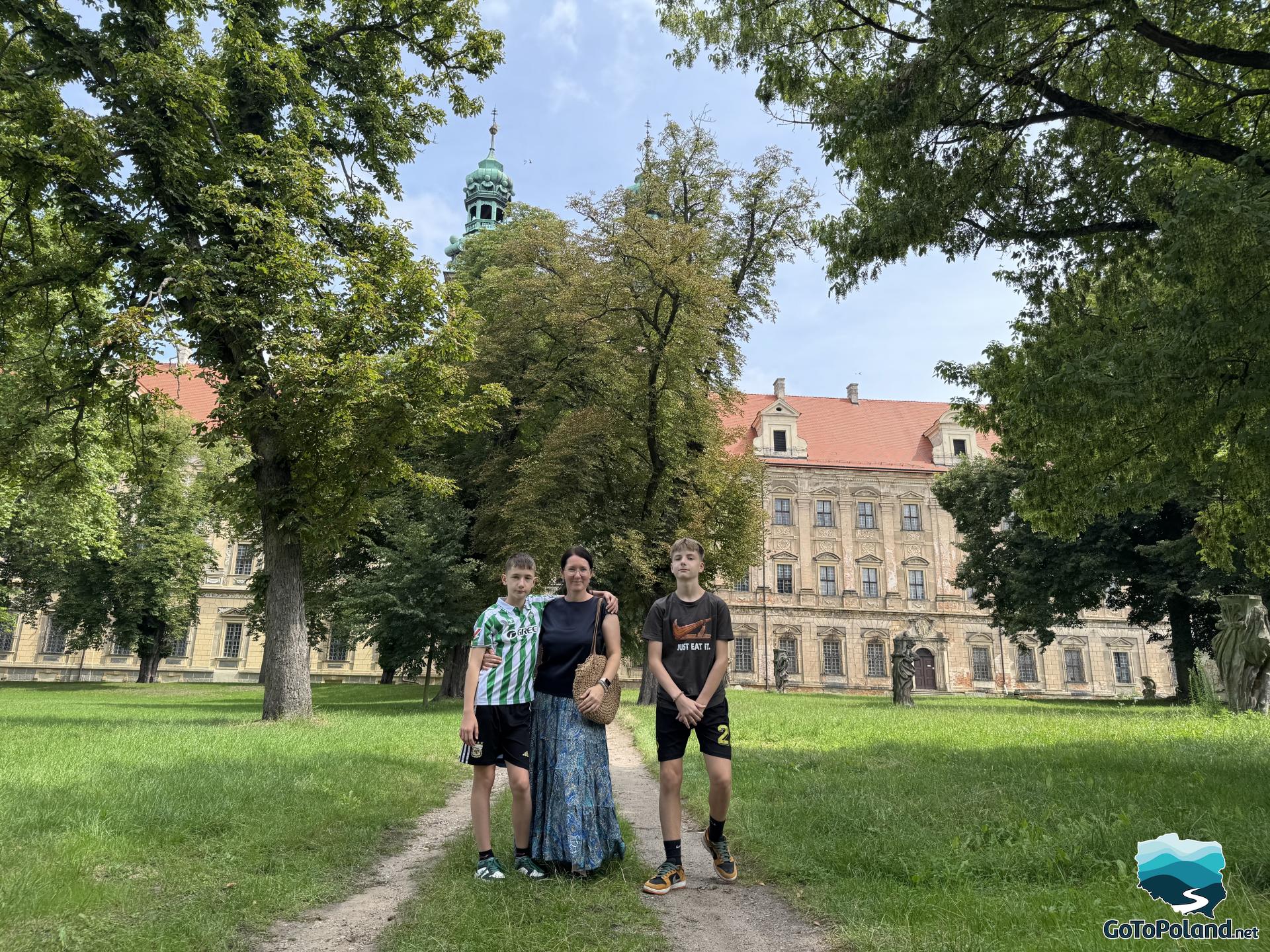
I like unusual places, those that hold a certain mystery. Such a place is the Cistercian Monastery in Lubiąż (visited even by Michael Jackson in 1997), located just about 50 km from Wrocław.
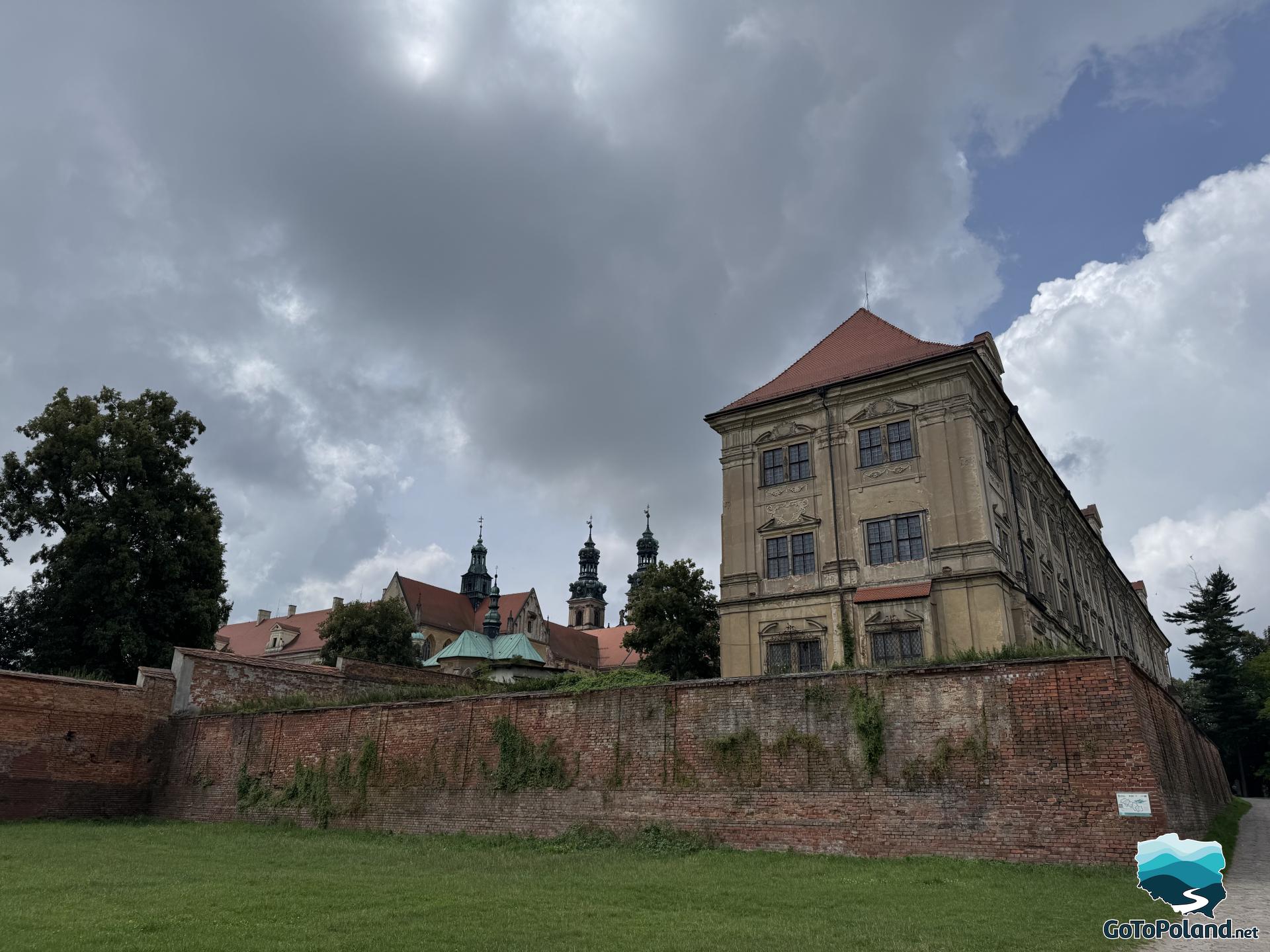
The Cistercians arrived in Lubiąż as early as 1163! They were brought here by Prince Bolesław I the Tall. The complex included, among others: a church, the Abbot's Palace, a monastery, a hospital, a barn, a stable, a brewery, and a bakery.
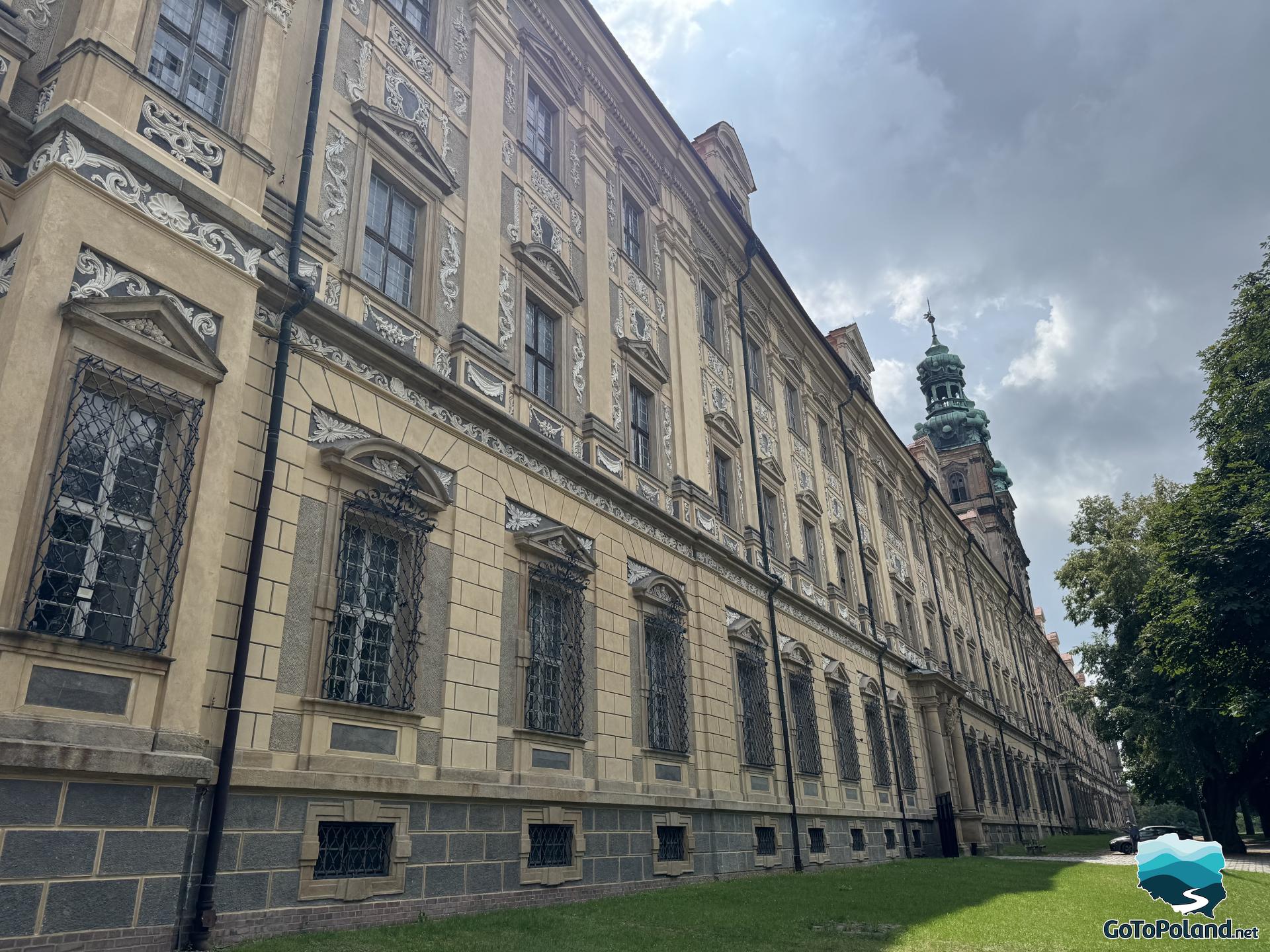
The Cistercian Order in Lubiąż operated for 650 years! In 1810, it was secularized, and 471 canvases (including the famous Michał Willmann painting), numerous sculptures, coins, and musical instruments were removed from the monastery. The monastery buildings were converted into a hospital for mentally ill patients.
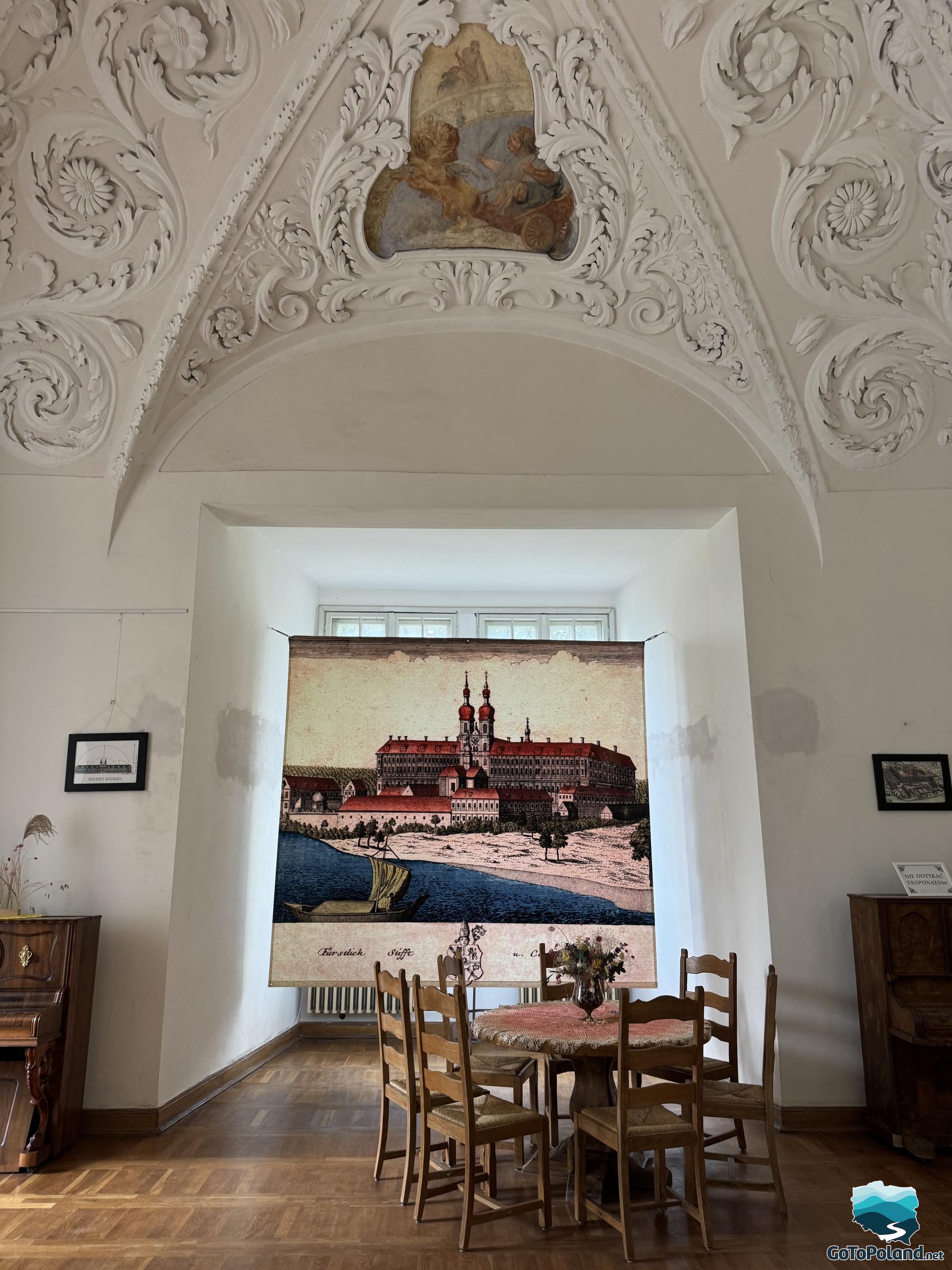
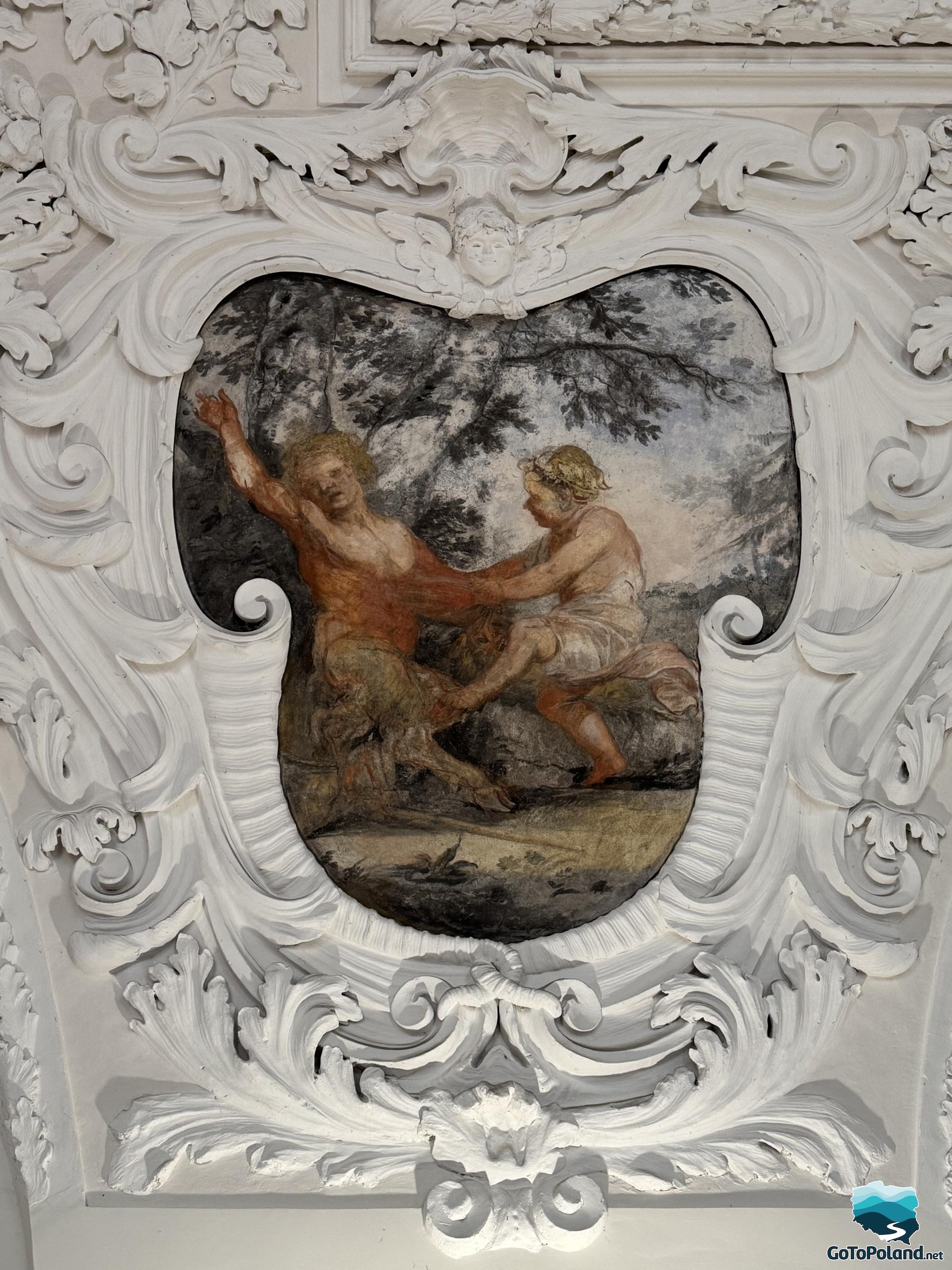
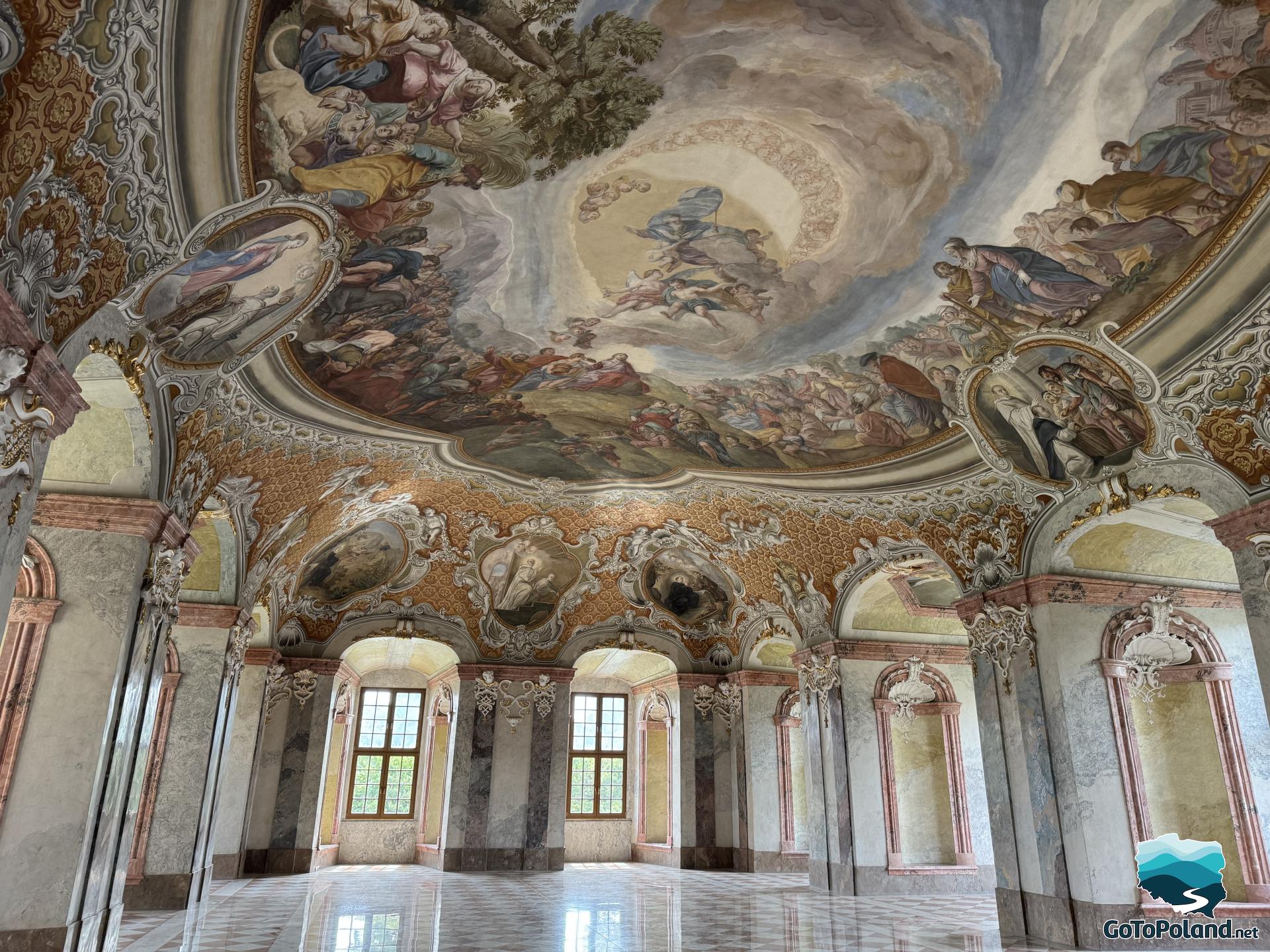
The photos below show the Abbot’s Dining Hall—that is where the ceiling painting by Michał Willman is located.
 |  |
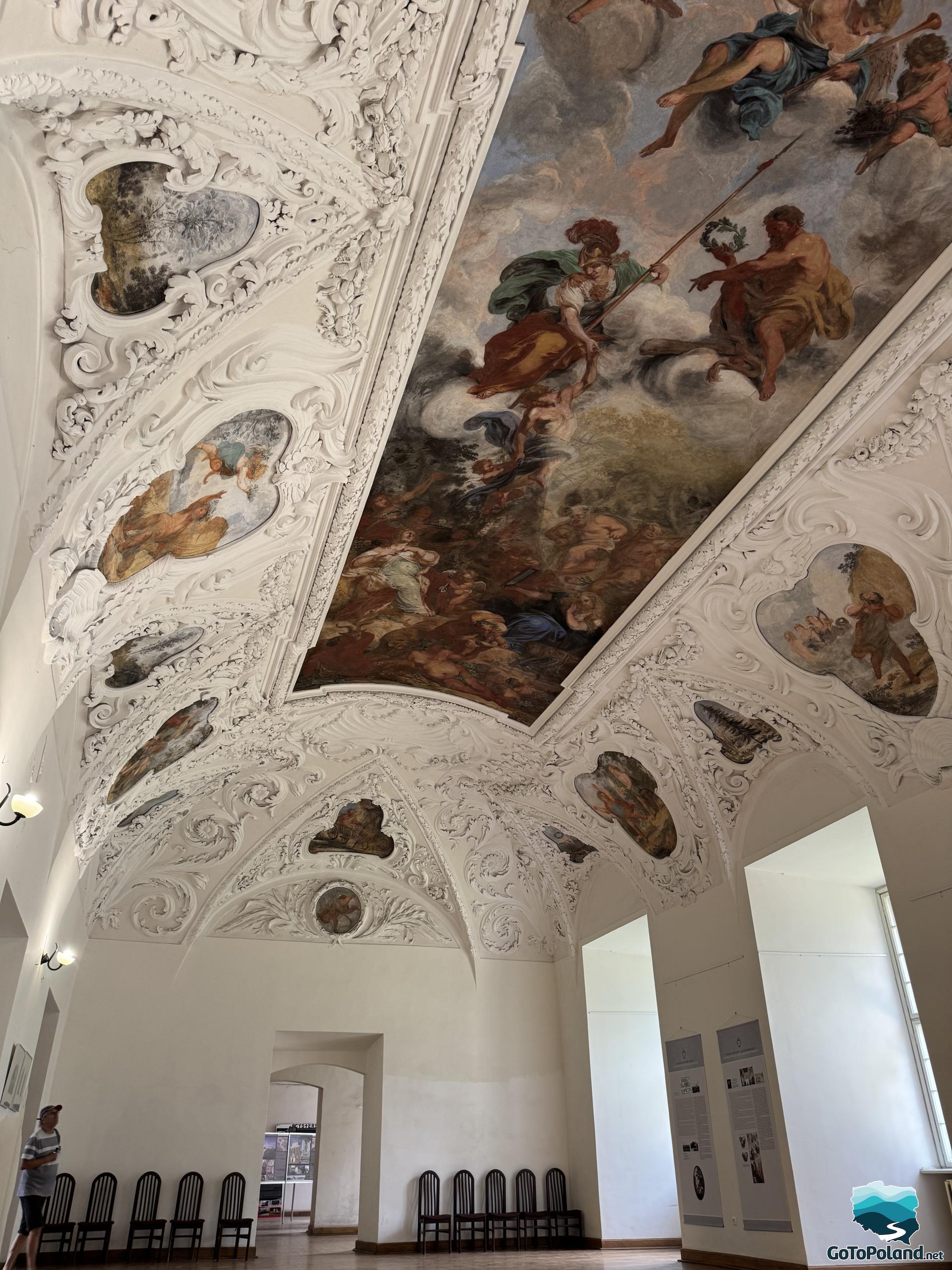
During World War II, production for war purposes was launched in the monastery complex. After the war, this huge complex practically had no owner, and the buildings continued to be destroyed and looted.
However, not everyone could come to terms with the loss of such a magnificent building, known as the pearl of Silesian Baroque. In 1989, the Lubiąż Foundation was established, which has been working to restore the complex to its former glory ever since.
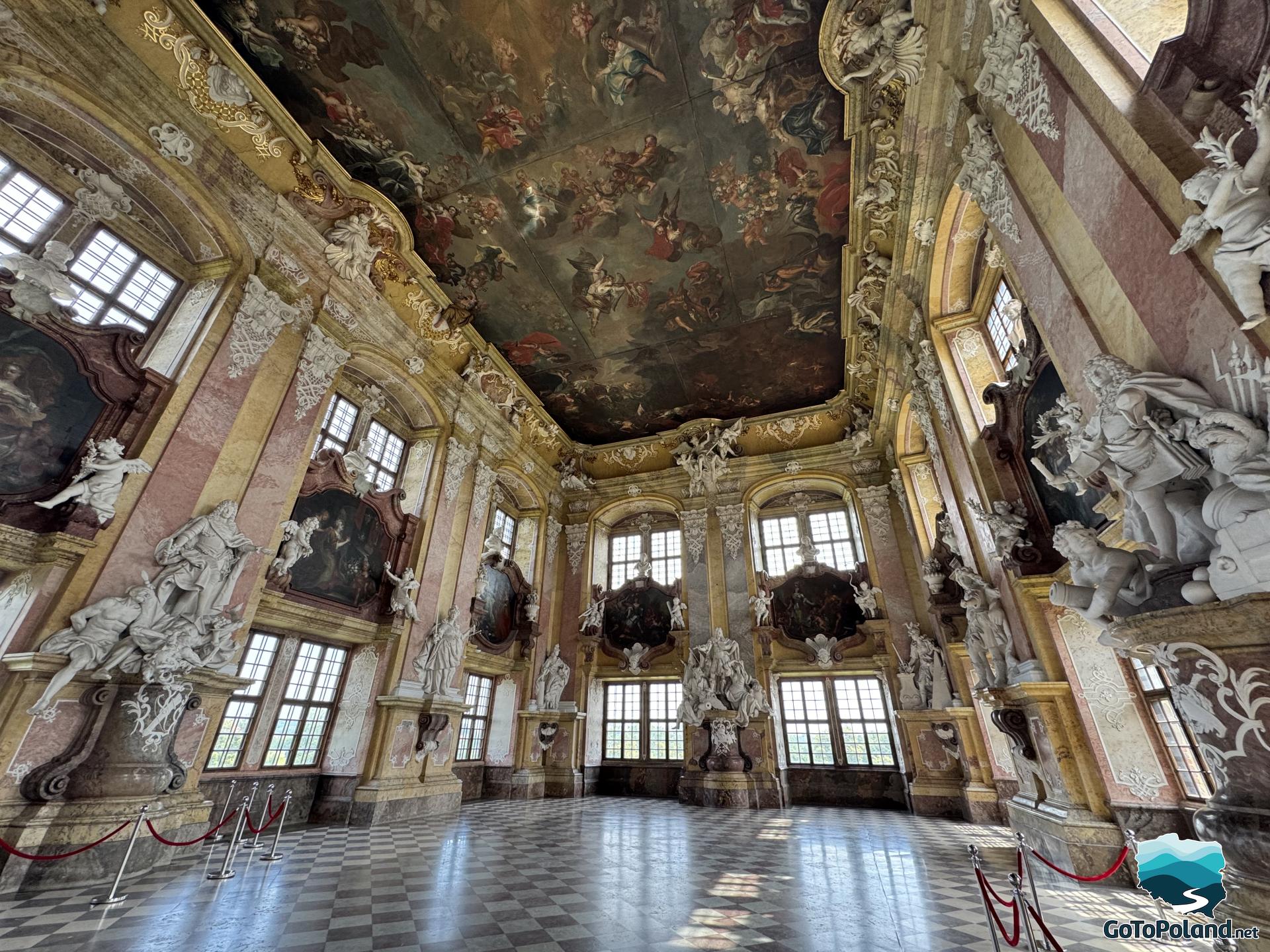
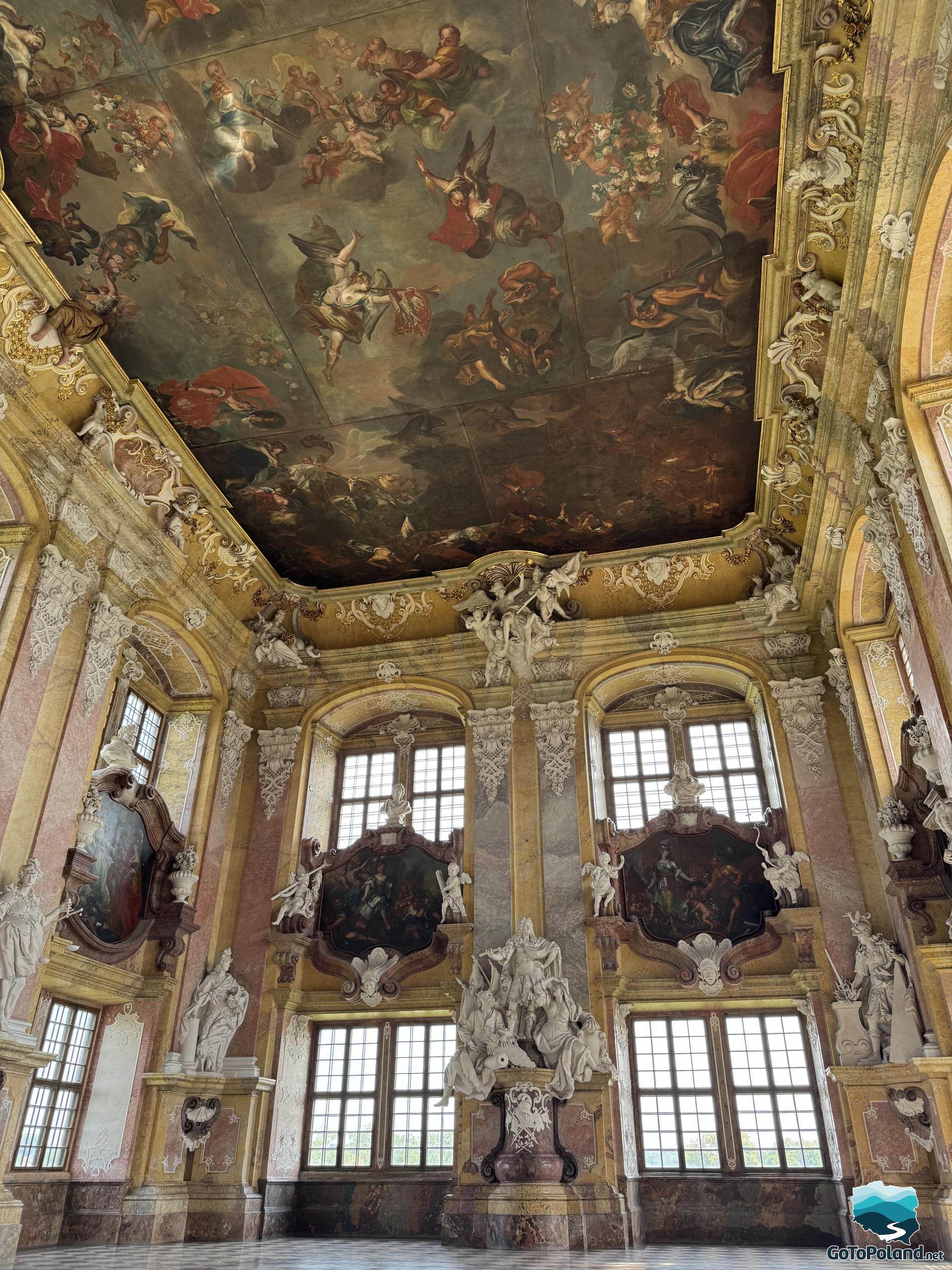
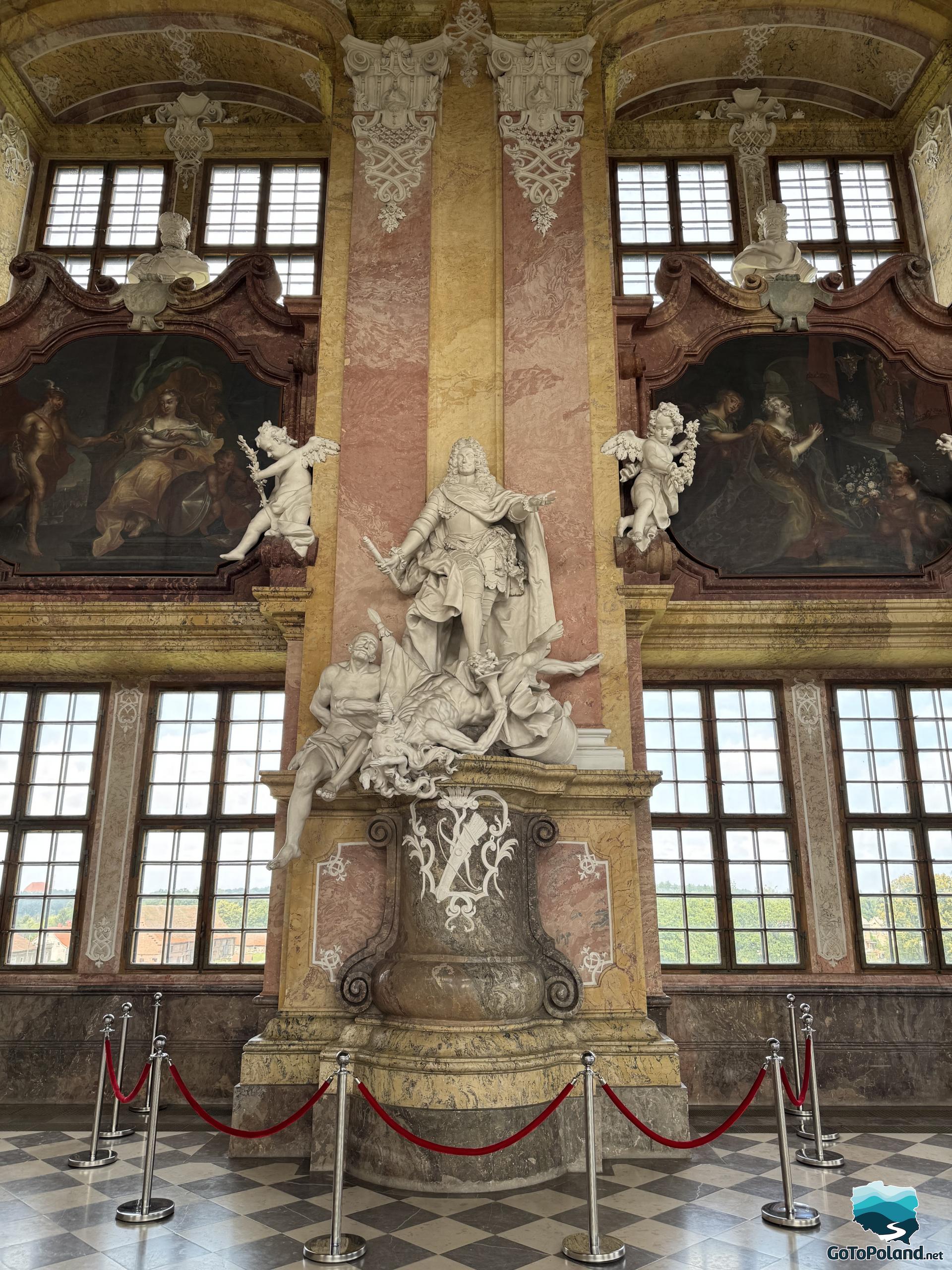
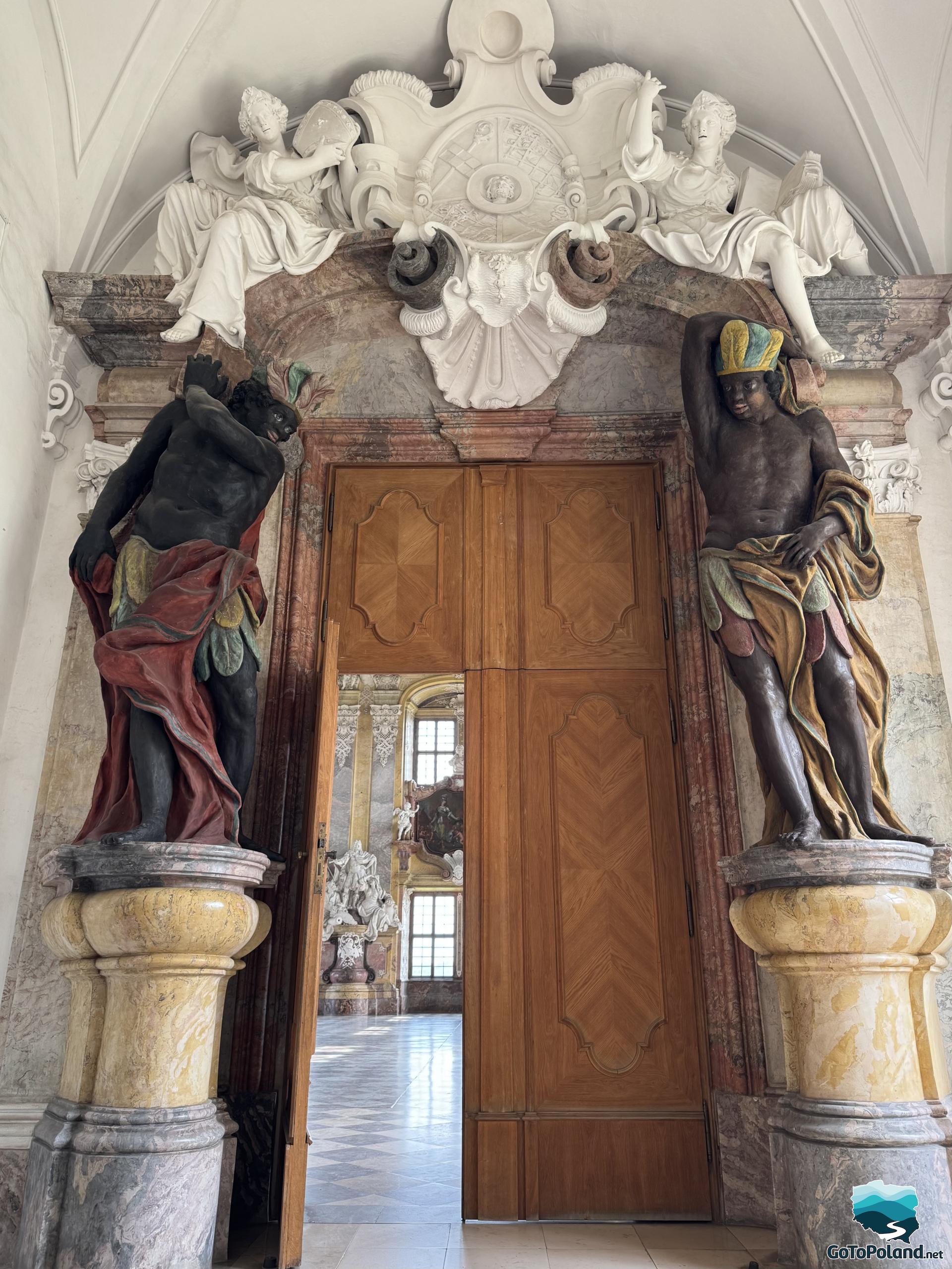
The most representative room is the Prince's Hall, very bright with two rows of windows. On the ceiling hangs a huge canvas measuring 24 by 14 meters, painted in oil and stretched over a wooden frame. The ceiling is signed above the side entrance, "P. C. de Kentum facit Anno 1737." The room is decorated with figures of three illustrious emperors of the 17th and 18th centuries: Leopold I, Joseph I, and Charles VI and the walls are lined with colored marble.
|  |
In the western part of the hall, you can also see statues of Atlas (holding the globe on his shoulders), Apollo (playing the lyre), and Marsyas (playing the flute). The hall itself contains a dozen or so—if not several dozen—sculptures, statues, and paintings that are well worth seeing.
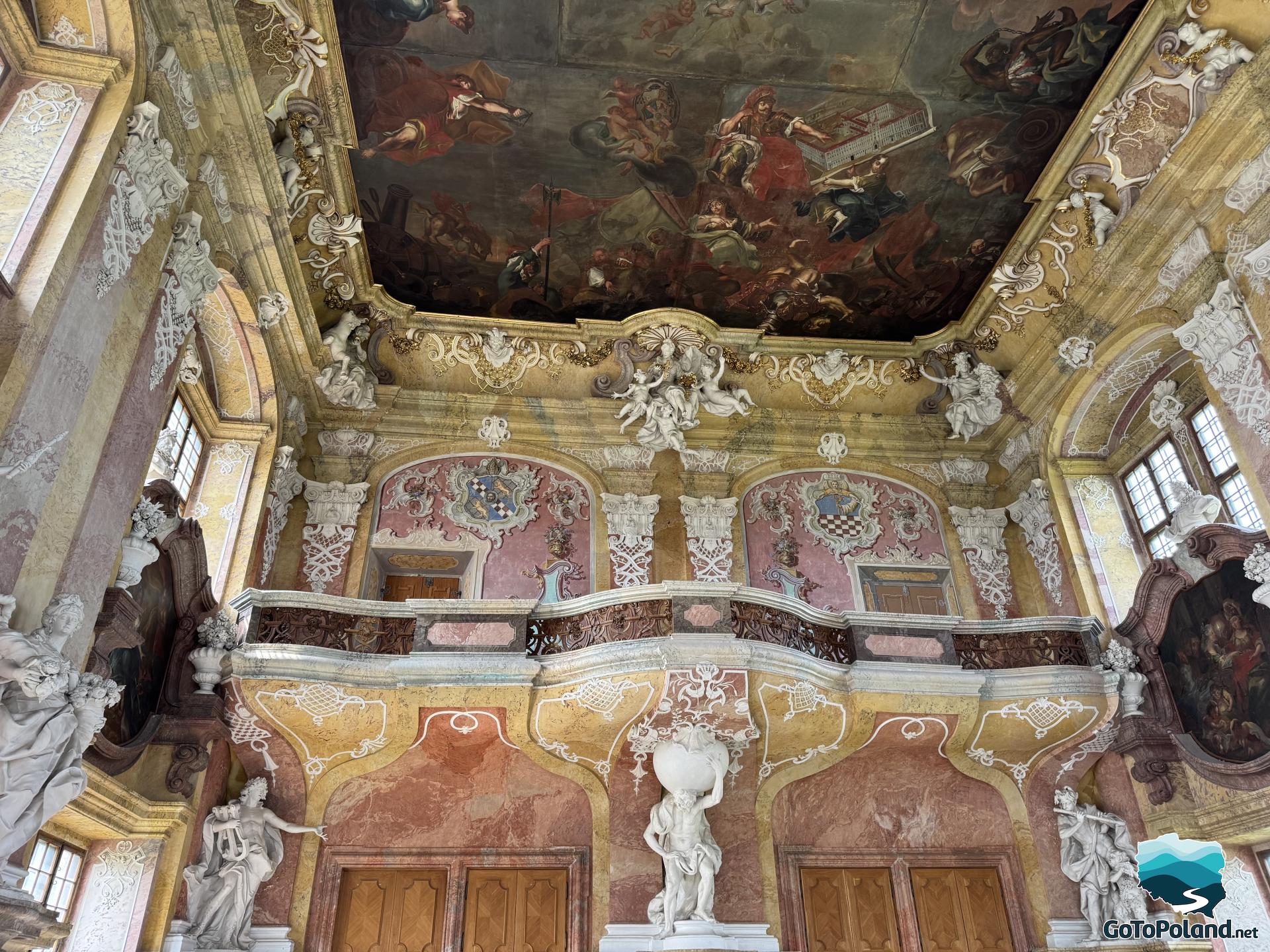
An interesting fact is that the door on the right is a dummy door, added to maintain symmetry.
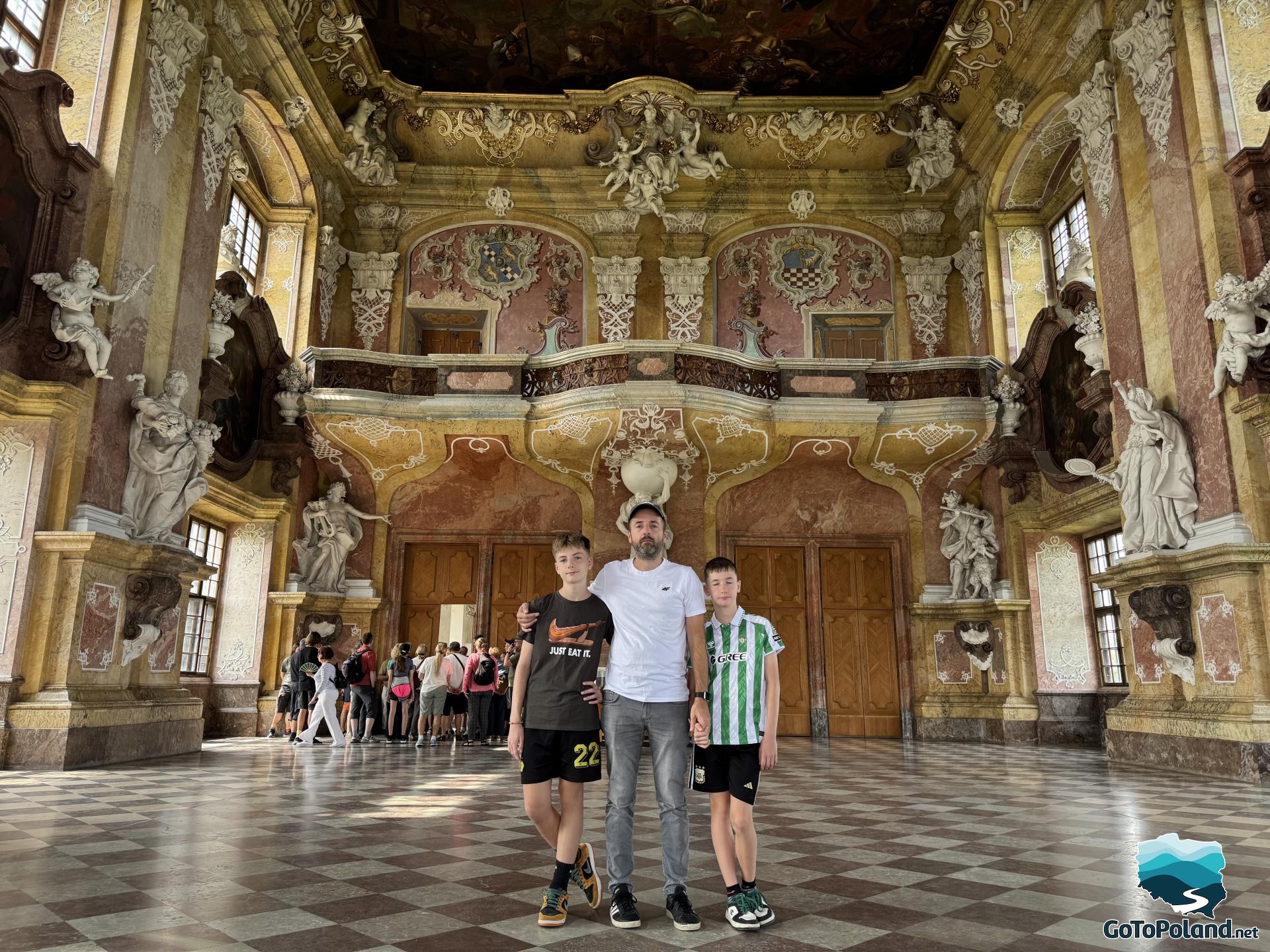
The entire complex, though severely damaged, is impressive. It is open daily, and its renovation is funded (mostly) by visitors. Group tours take place every hour (in autumn from 10:00 AM to 3:00 PM, with last admission at 2:00 PM). Visitors can admire the Abbot's Dining Room, the Prince's Hall, the Church of the Blessed Virgin Mary, and the Summer Refectory.
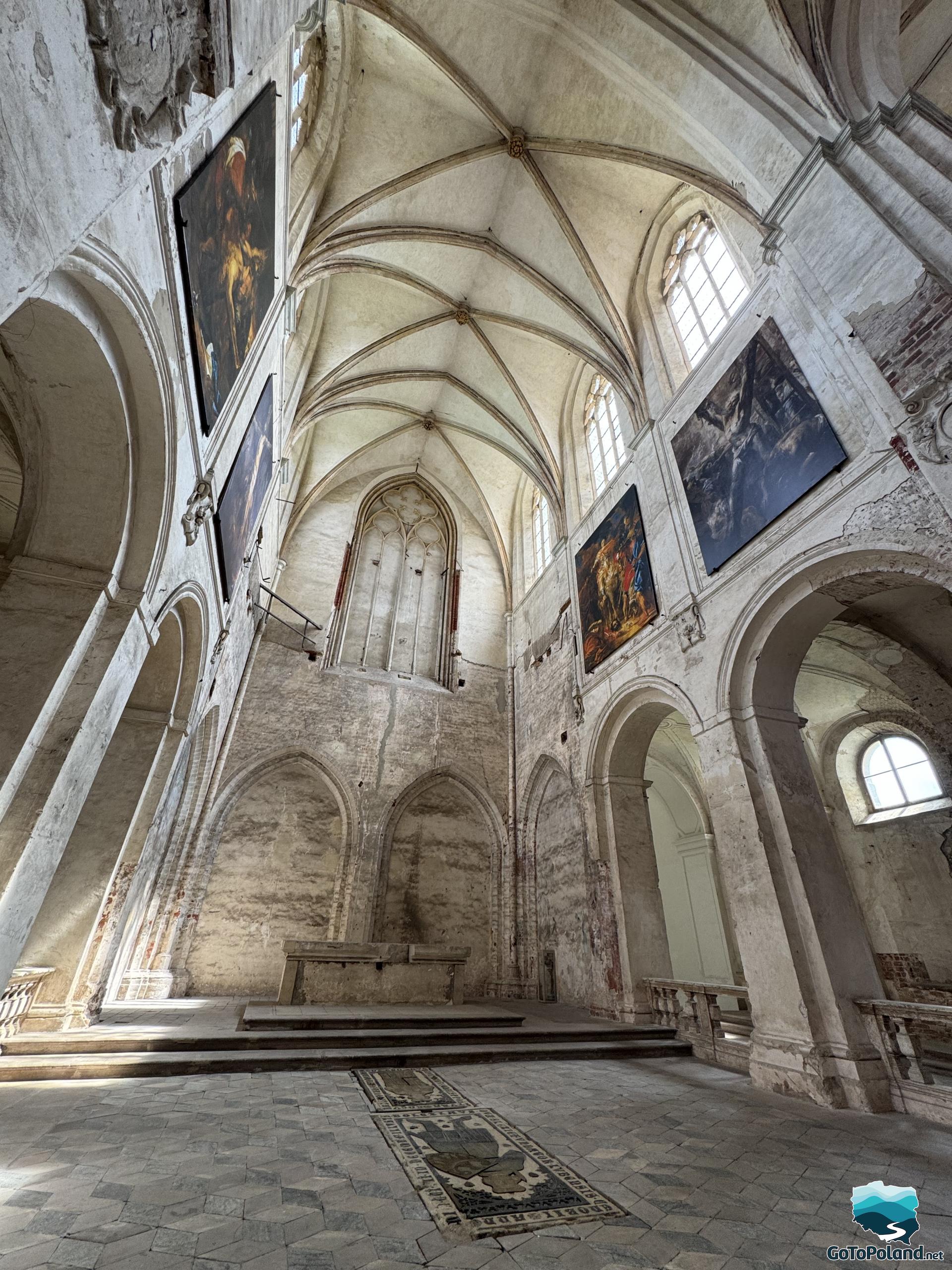
The interior of the Church of the Blessed Virgin Mary has not been renovated and makes a depressing impression. The church was once filled with paintings by Michał Willman, including the famous cycle of gigantic canvases measuring 3 by 4 meters under the collective title "The Martyrdom of the Apostles." The church also contained beautiful, ornate wooden choir stalls, which were unfortunately dismantled and taken away by the Germans or burned by the Russians, who burned the church furnishings, among other things, simply to keep warm in the winter. Only the frame of the largest painting remains of the valuable paintings.
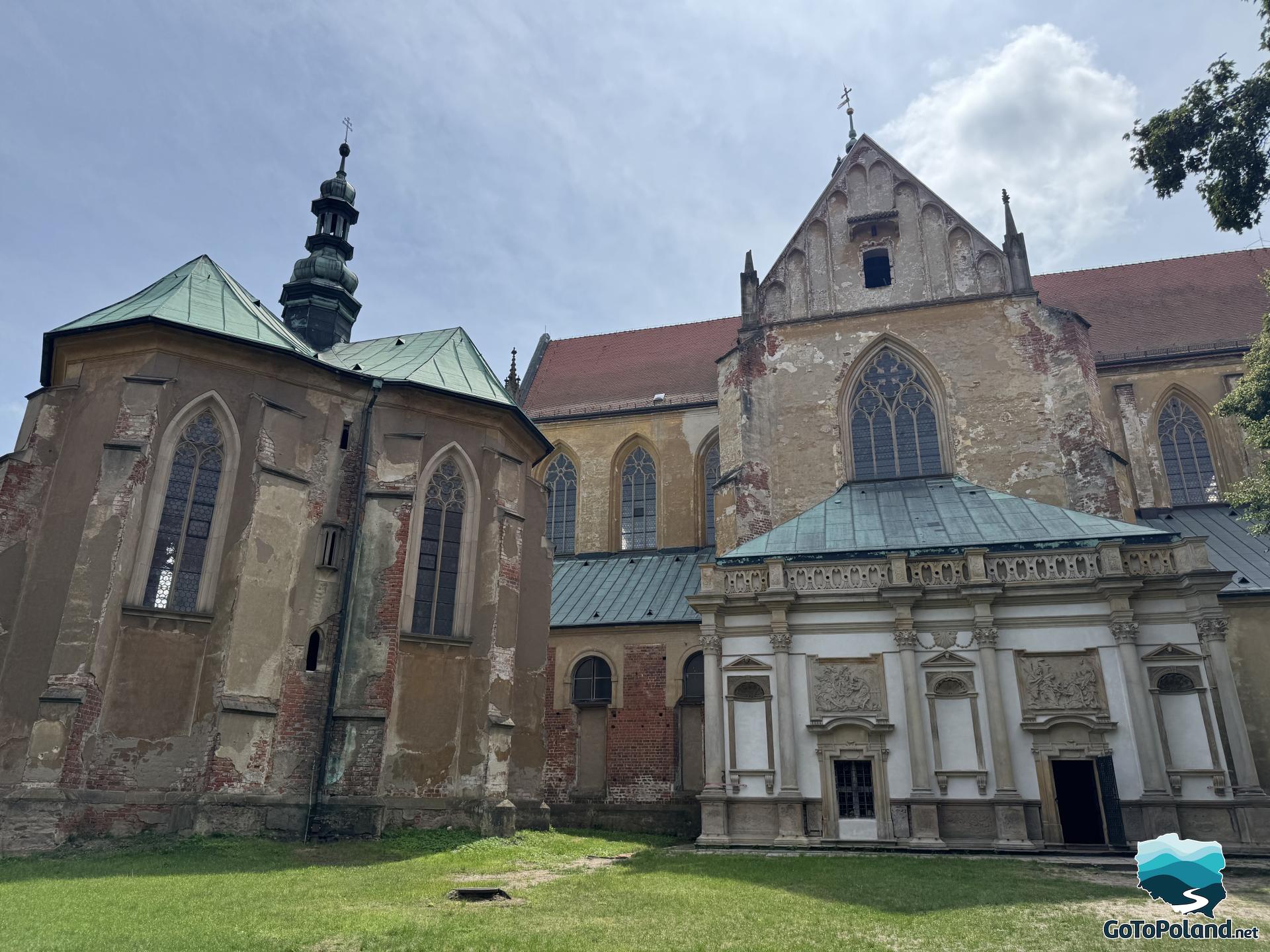
The crypt beneath the Gothic basilica contains the tombstones of Silesian Piasts (including Bolesław the Tall) and the mummies of Cistercian abbots and monks. Ninety-eight mummies remain in good condition to this day.
 | 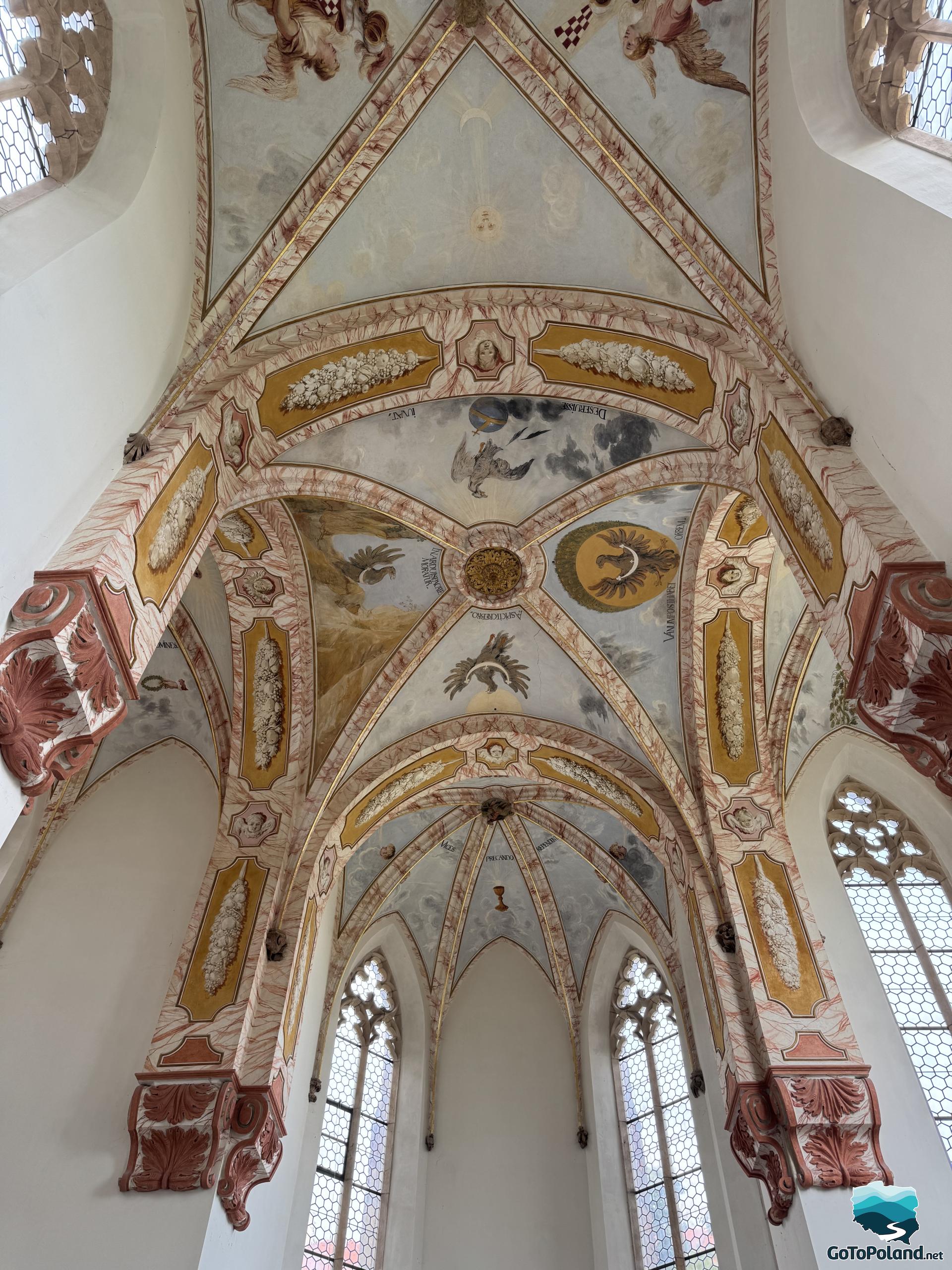 |
The Summer Refectory of the Cistercian Abbey is stunning! The former monastic dining hall is richly decorated with frescoes by Felix Anton Scheffler from 1733. The summer refectory has such excellent acoustics that words whispered at one end of the room can be heard at the other.
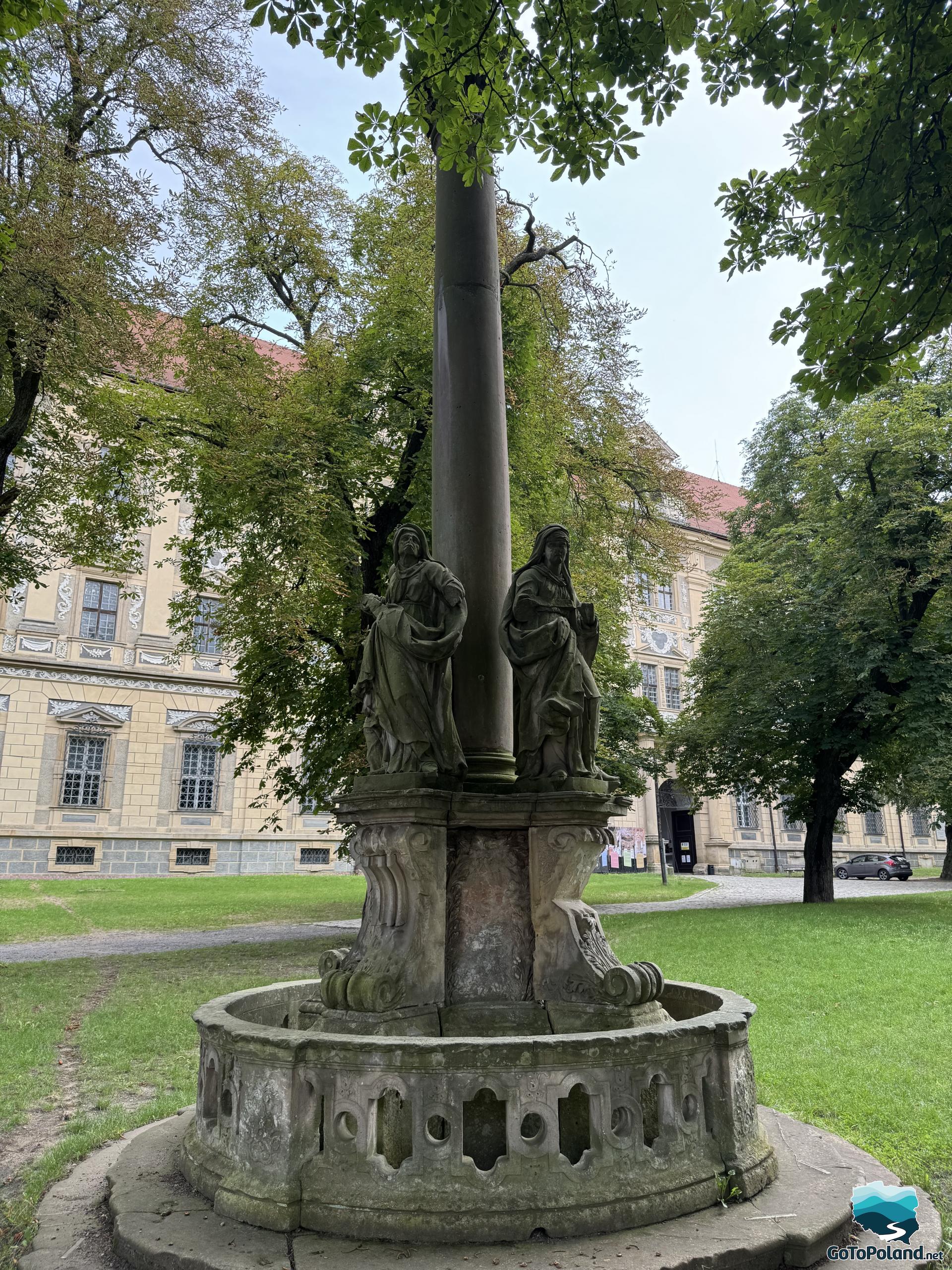
As usual in places like this, I’m enchanted by the monastery grounds with their old trees and sculptures.