Visit and attractions in Sopot
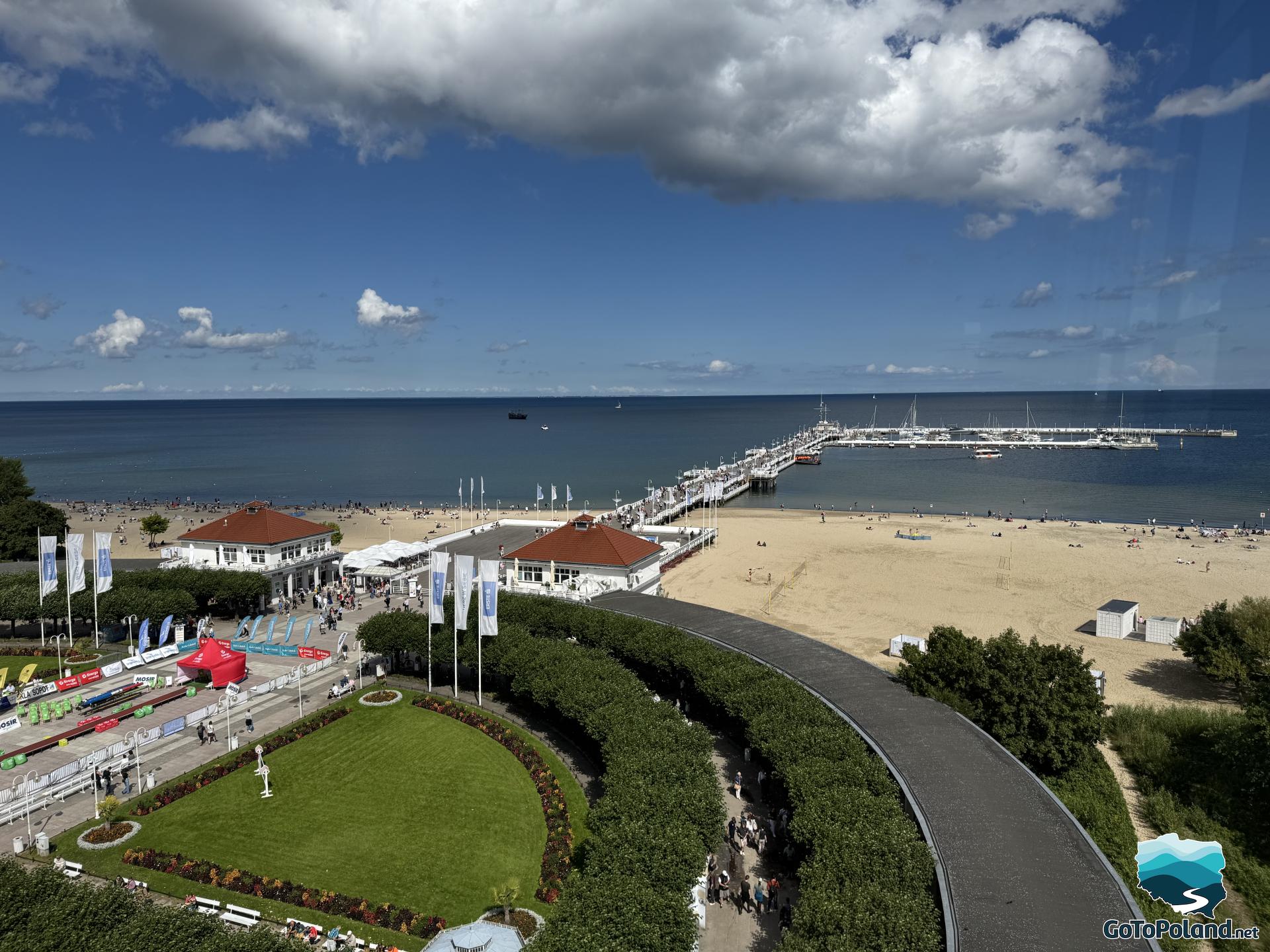
Sopot is situated between Gdańsk and Gdynia, forming the Tri-city together with them. Although it’s part of the Gdańsk metropolitan area, in terms of population, it remains the smallest city in Poland with the status of a county.
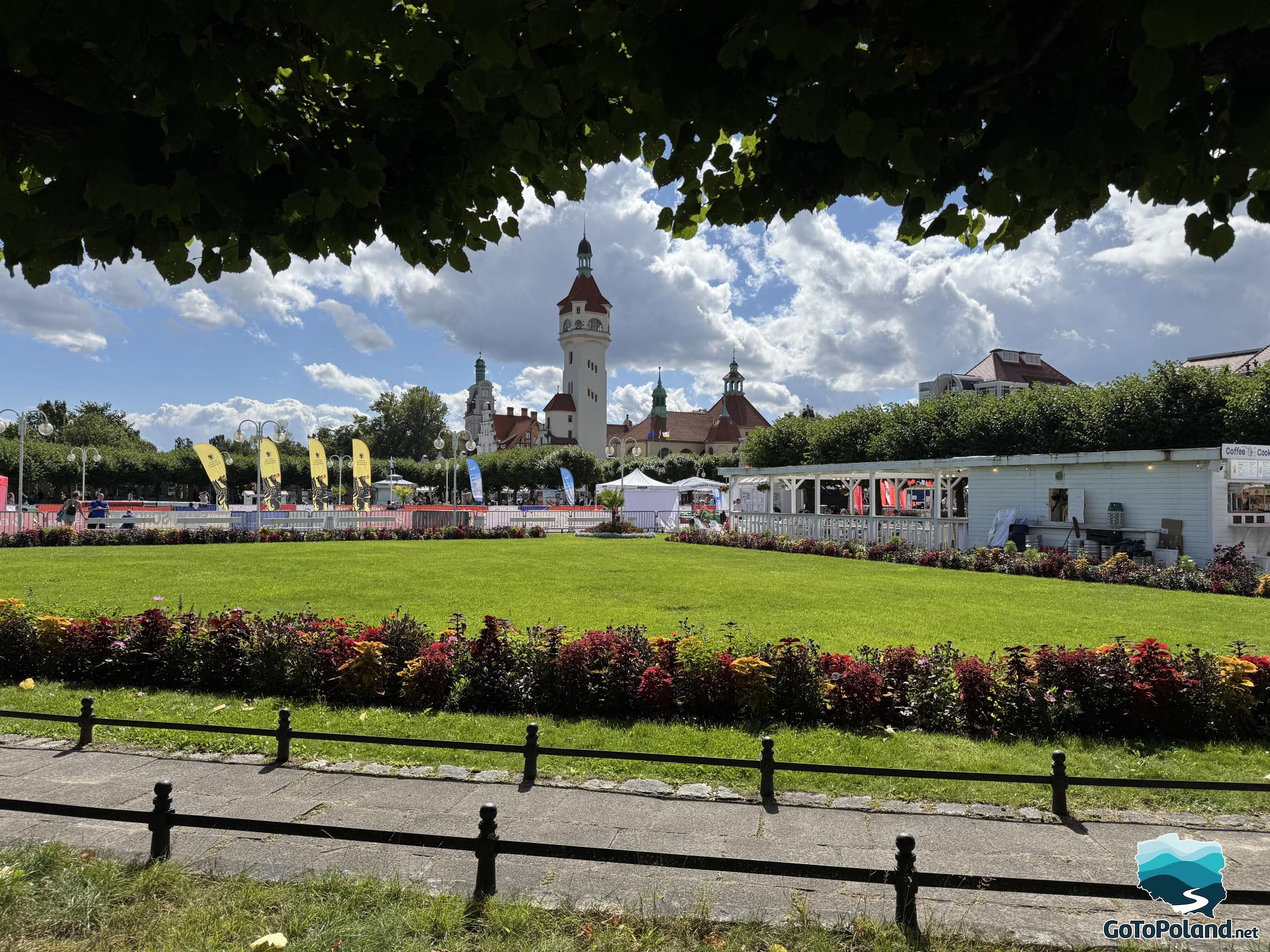
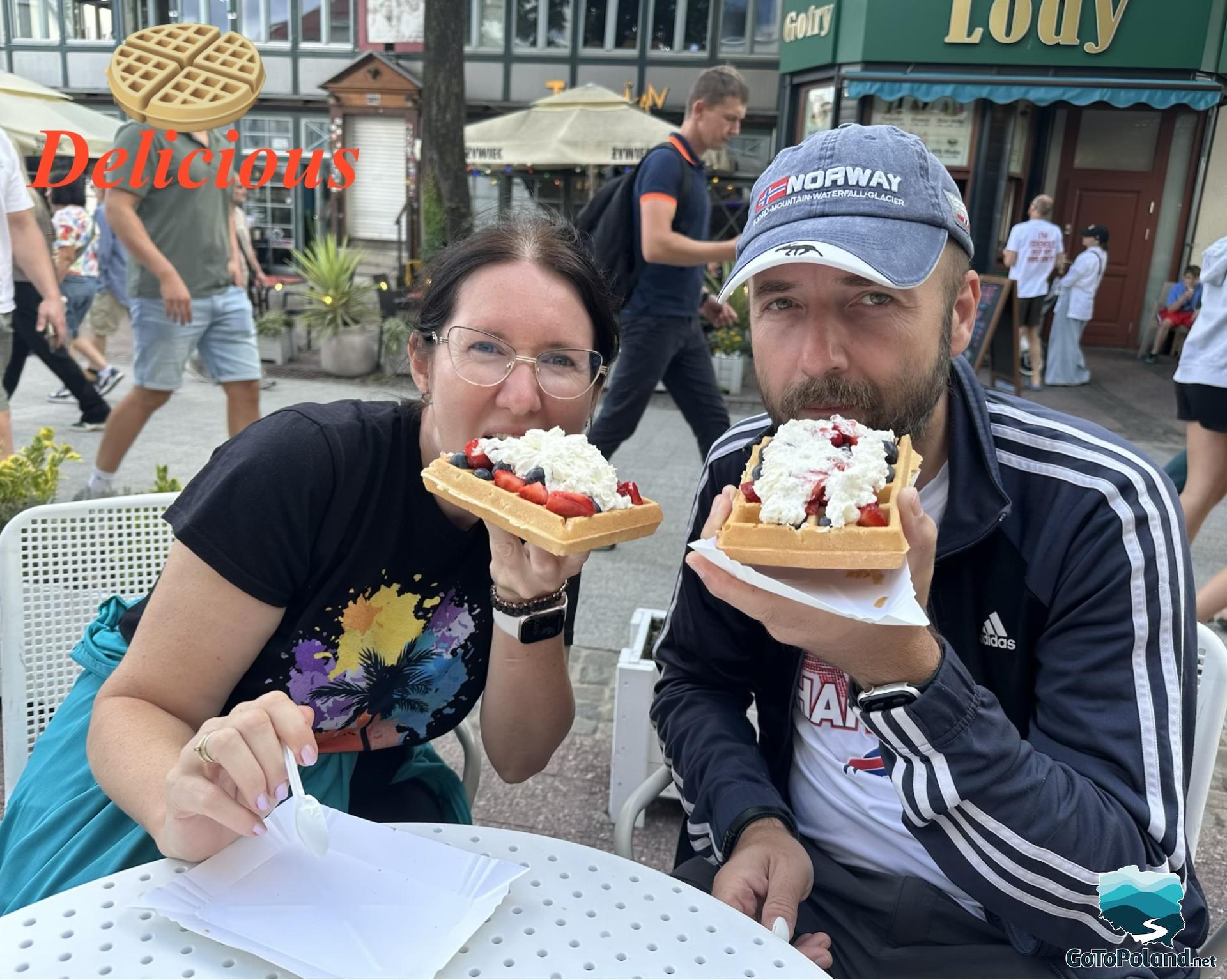
This health resort is distinguished by a maritime climate. Its main therapeutic benefits include the climate and natural mineral waters rich in chlorides, iodides, and bromides. Sopot is not only a well-known seaside resort and spa town, but also the site of the world-famous music festival held at the Forest Opera since 1961. It also has the longest wooden pier in Europe. At the height of the summer season, it gives the impression of being the most crowded place in the world. The streets bustle with life, lined with countless restaurants, cafes (where you can eat exceptionally delicious waffles with whipped cream and fruit), bars, and shops dedicated entirely to the enjoyment of visitors.
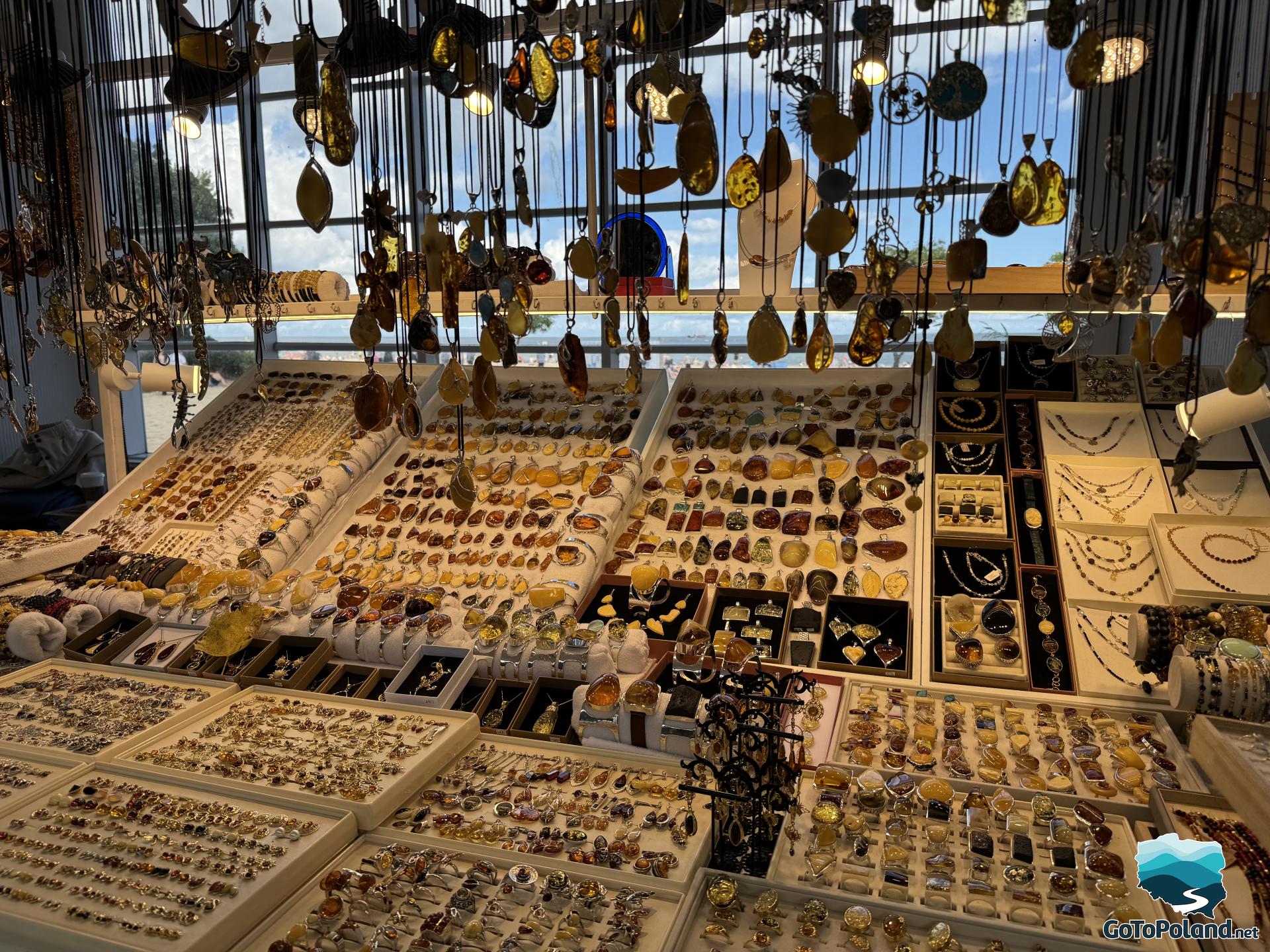
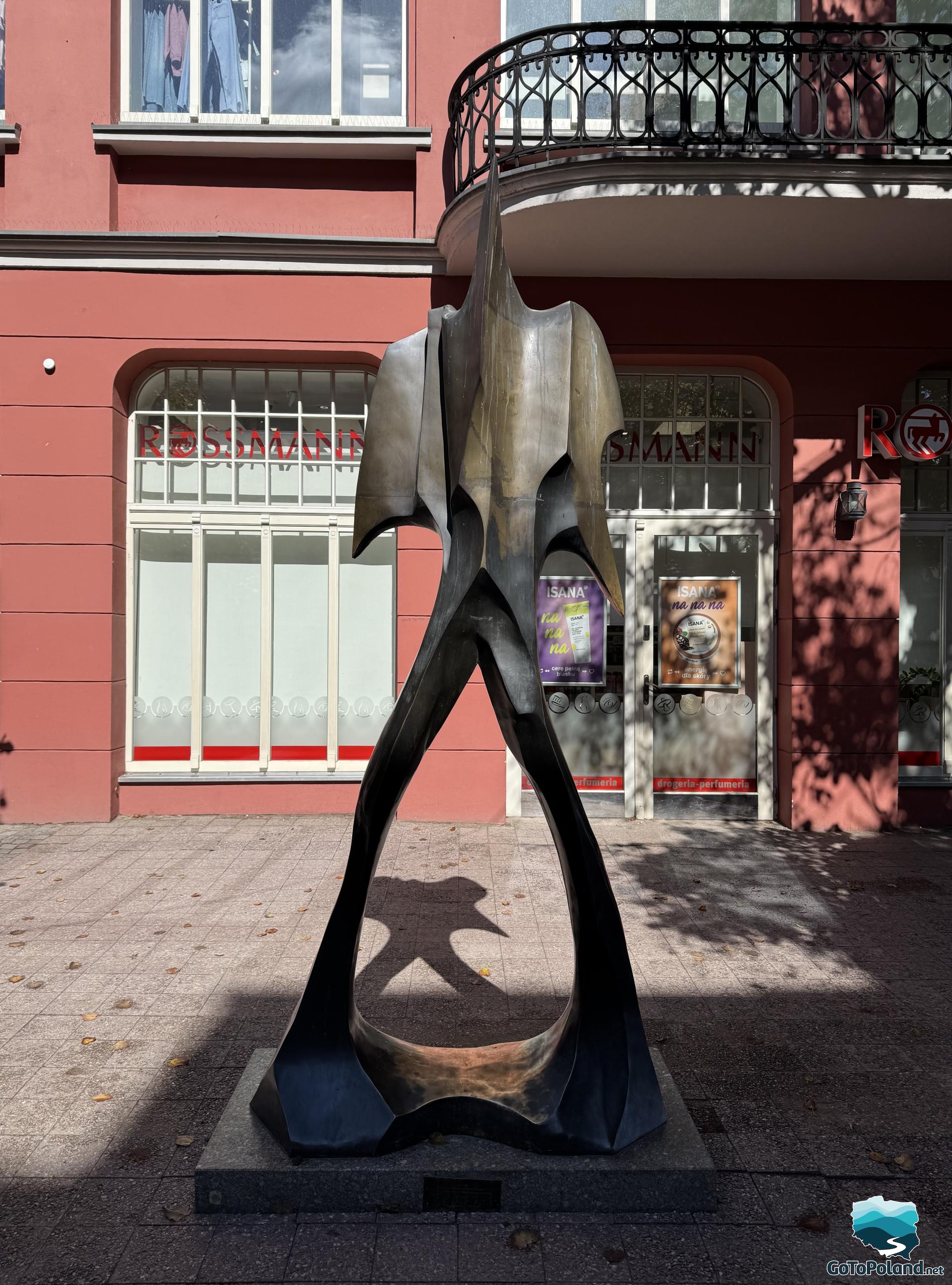
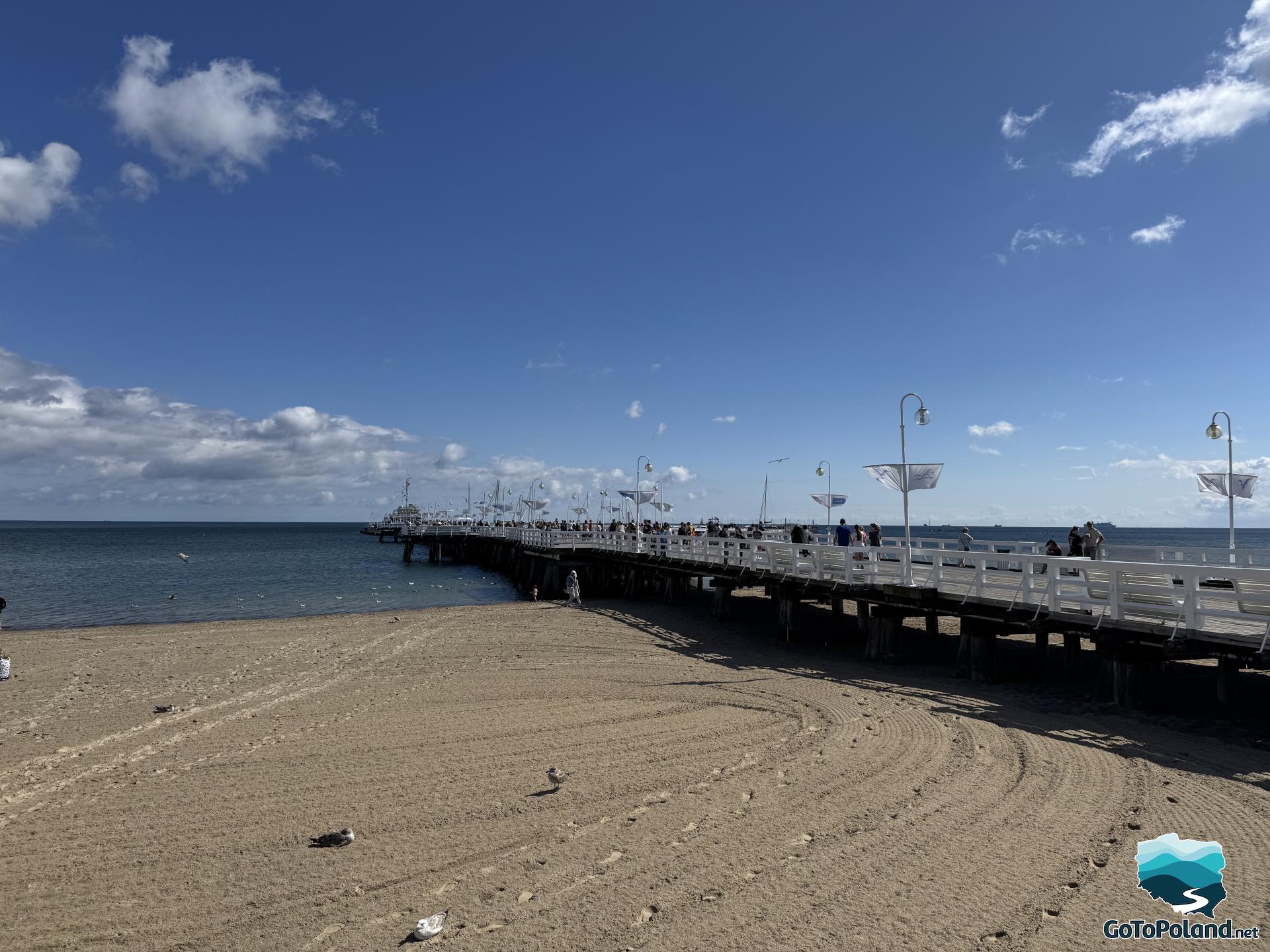
Sopot is charming. It attracts tourists with its beautiful, sandy beach, music festival, and unique pier. This pier is the longest wooden pedestrian walkway in Europe. The total length of the pier is 511.5 meters, of which 458 meters extends over the waters of the Bay of Gdańsk, and the remaining length extends over the beach.
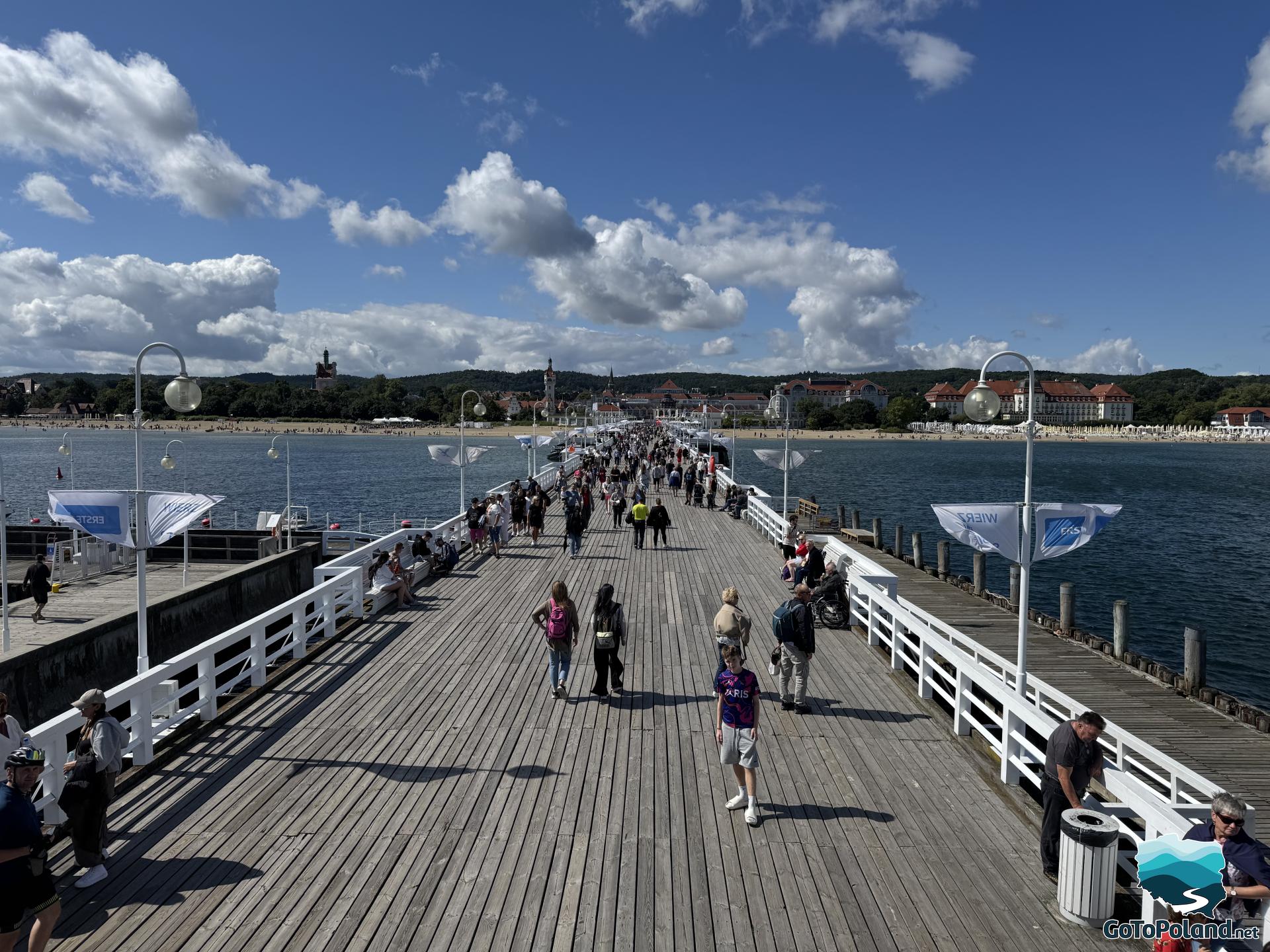
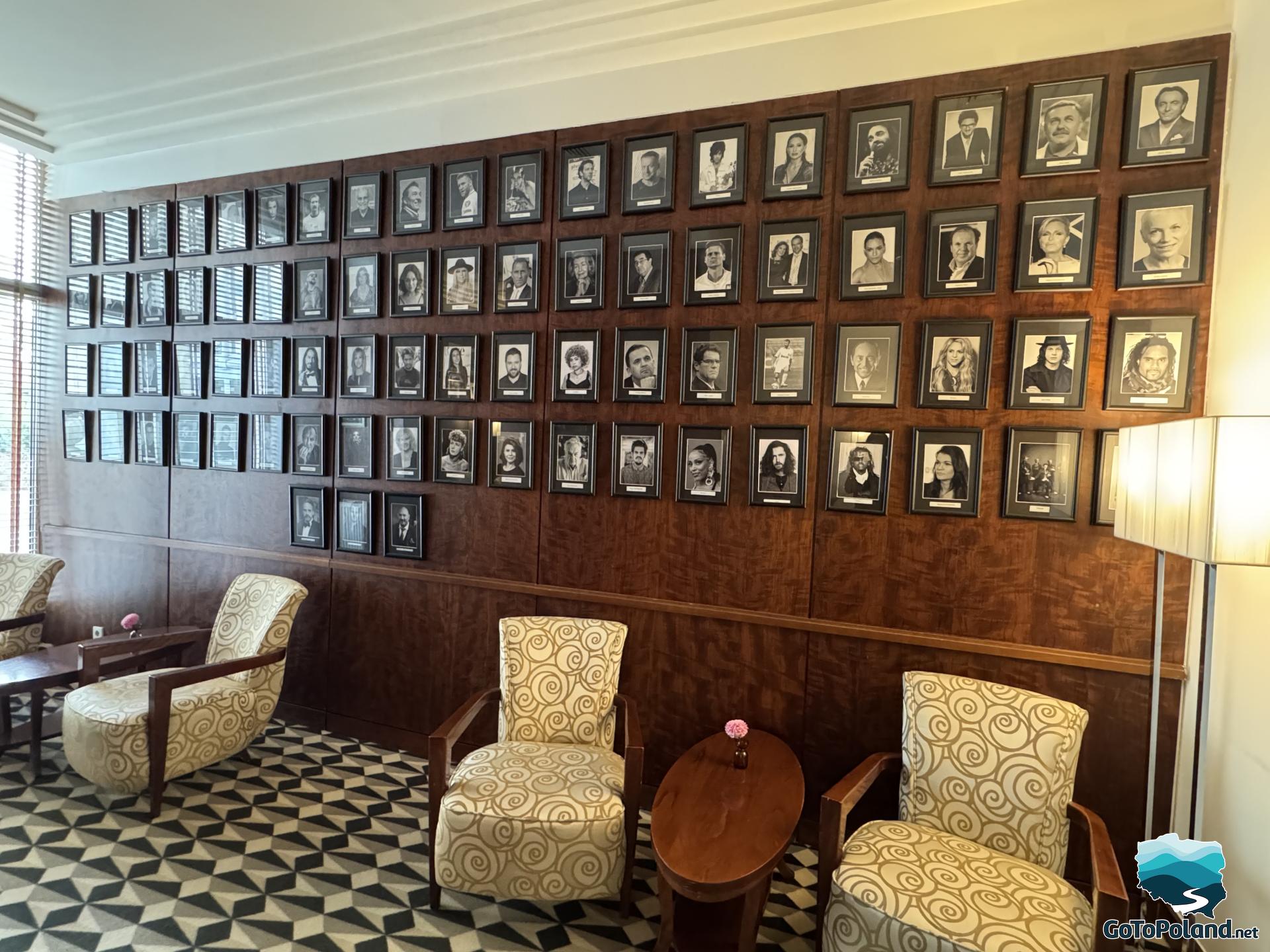
You have a beautiful view of the Grand Hotel from the pier. The Grand Hotel in Sopot was built in the Art Nouveau style between 1924 and 1927. It was the most expensive, luxurious, and elegant hotel in Sopot—and indeed in the entire Free City of Danzig—featuring, among other amenities, a seawater plumbing system. The hotel hosted many famous figures, including Charles de Gaulle, Fidel Castro, Alfonso XIII (former King of Spain), Josephine Baker, Henry Kissinger, Marlene Dietrich, and Greta Garbo. Many famous singers have also been guests, such as The Weeknd, Shakira, and Annie Lennox.
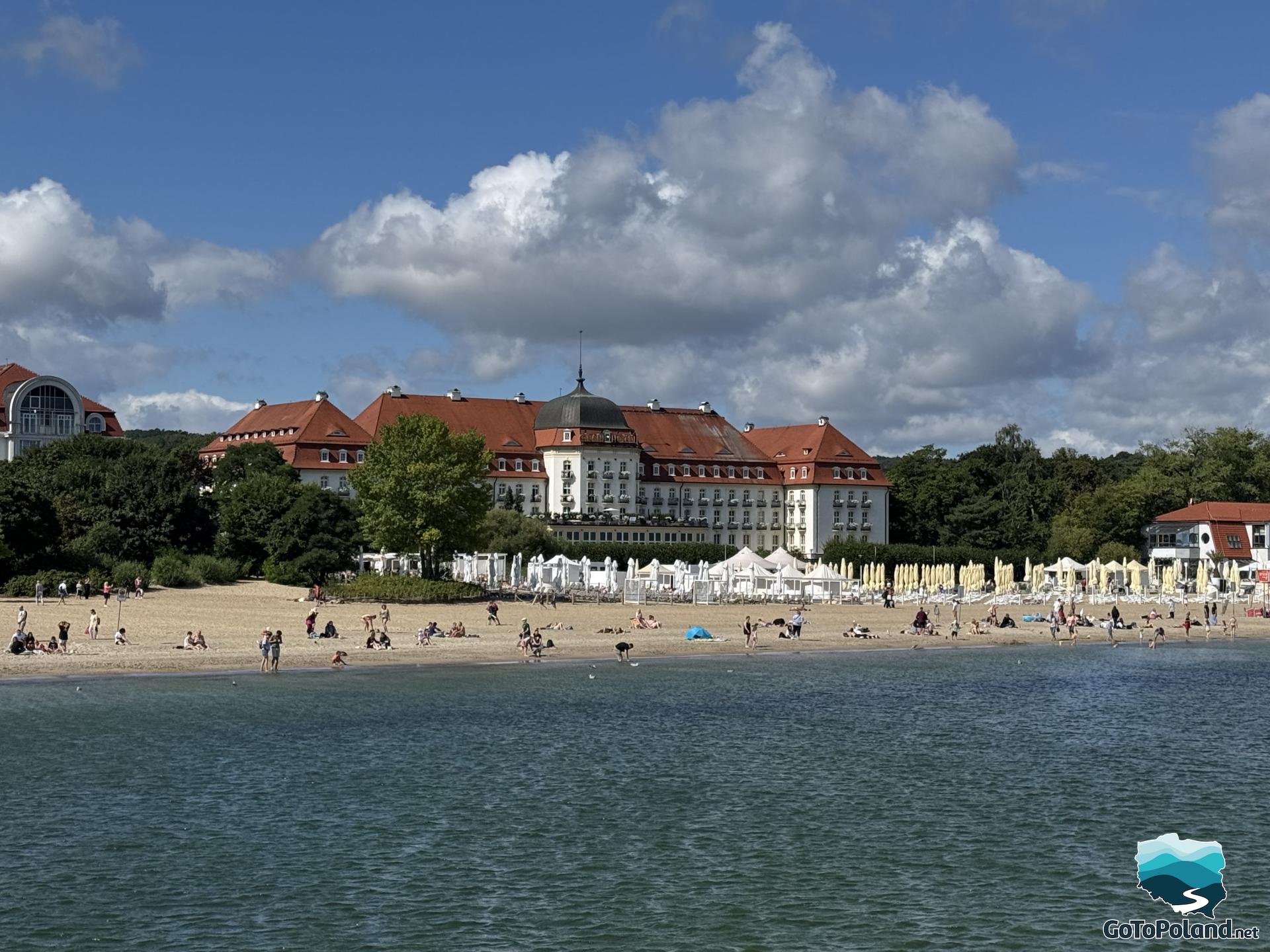
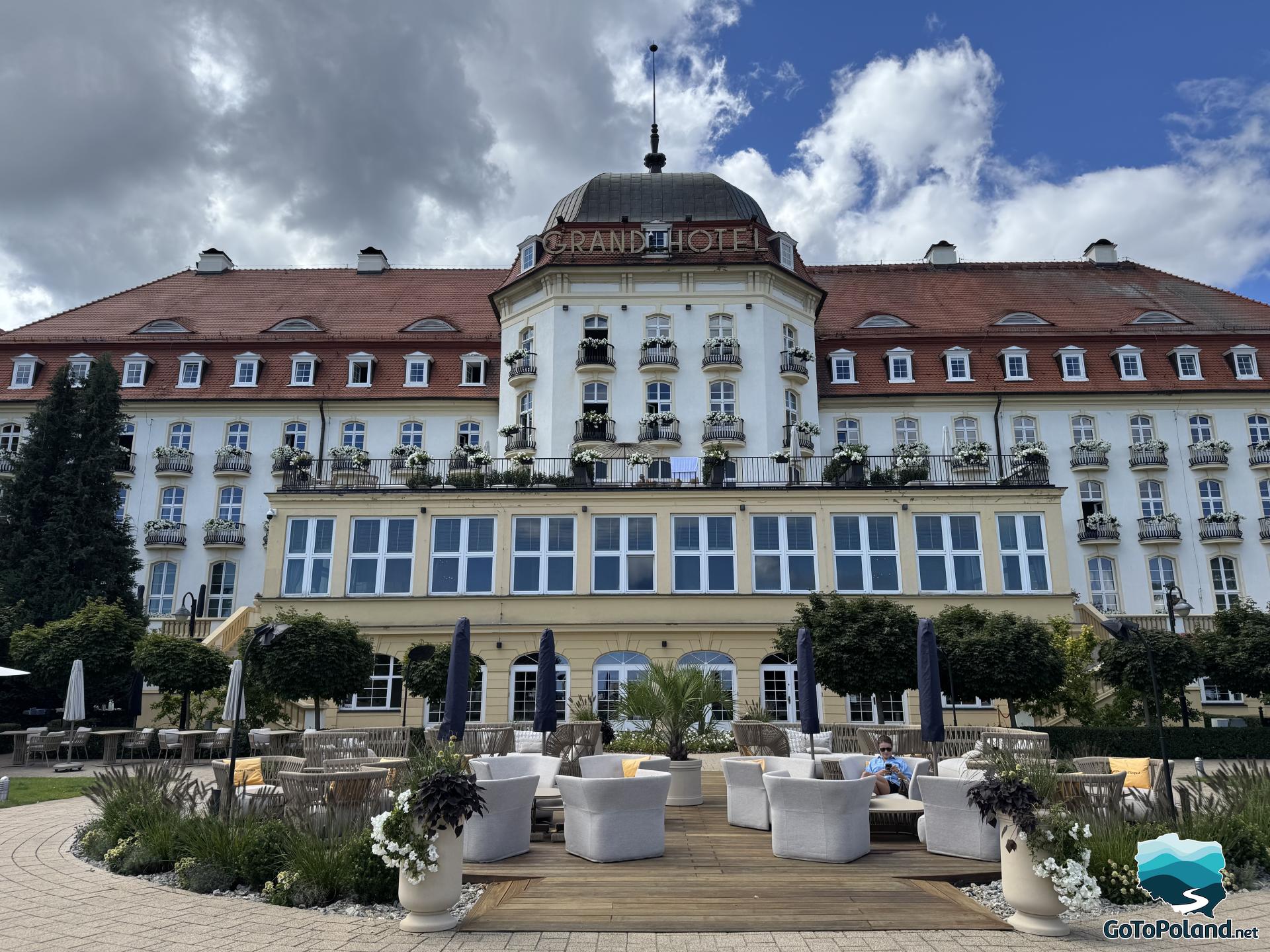
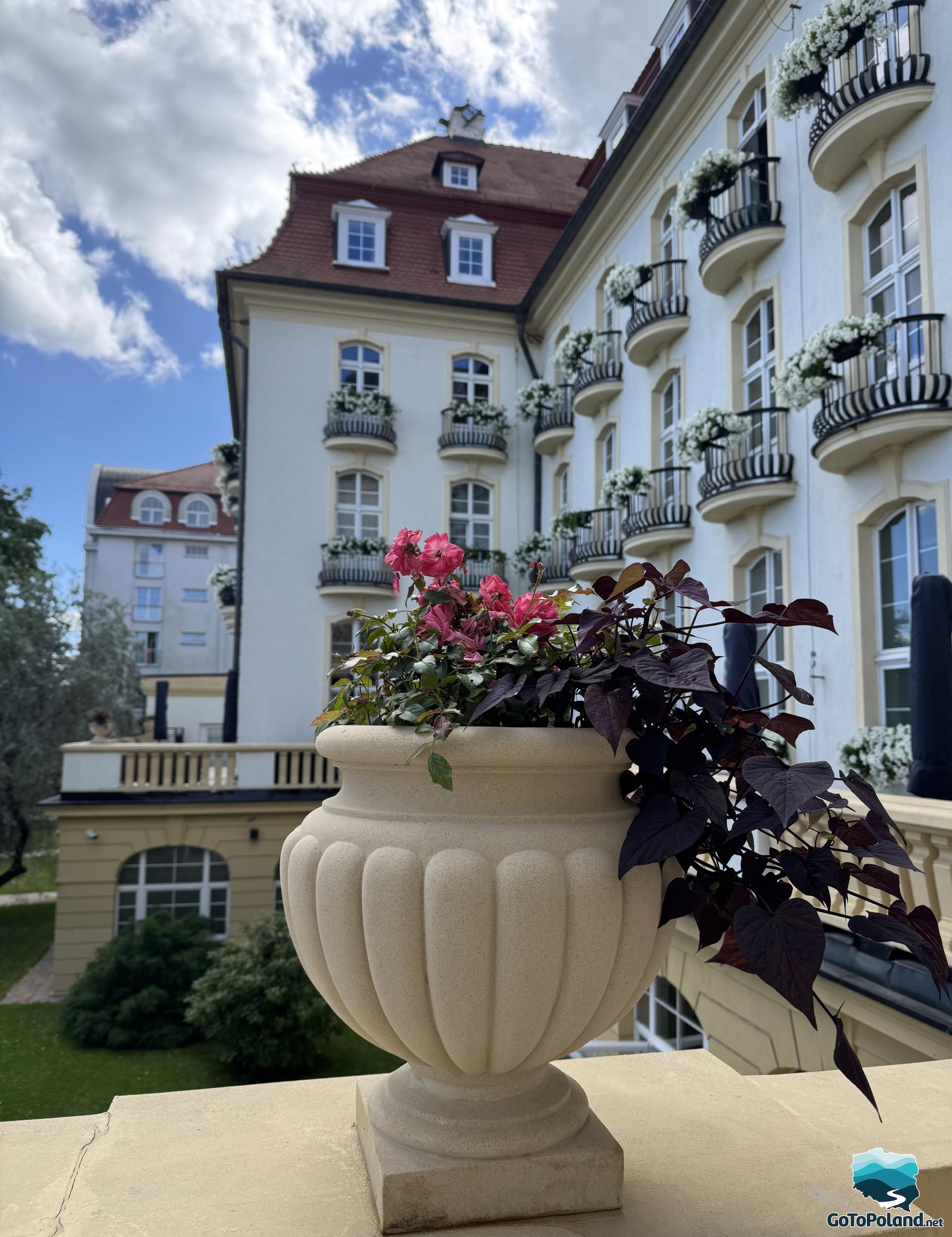
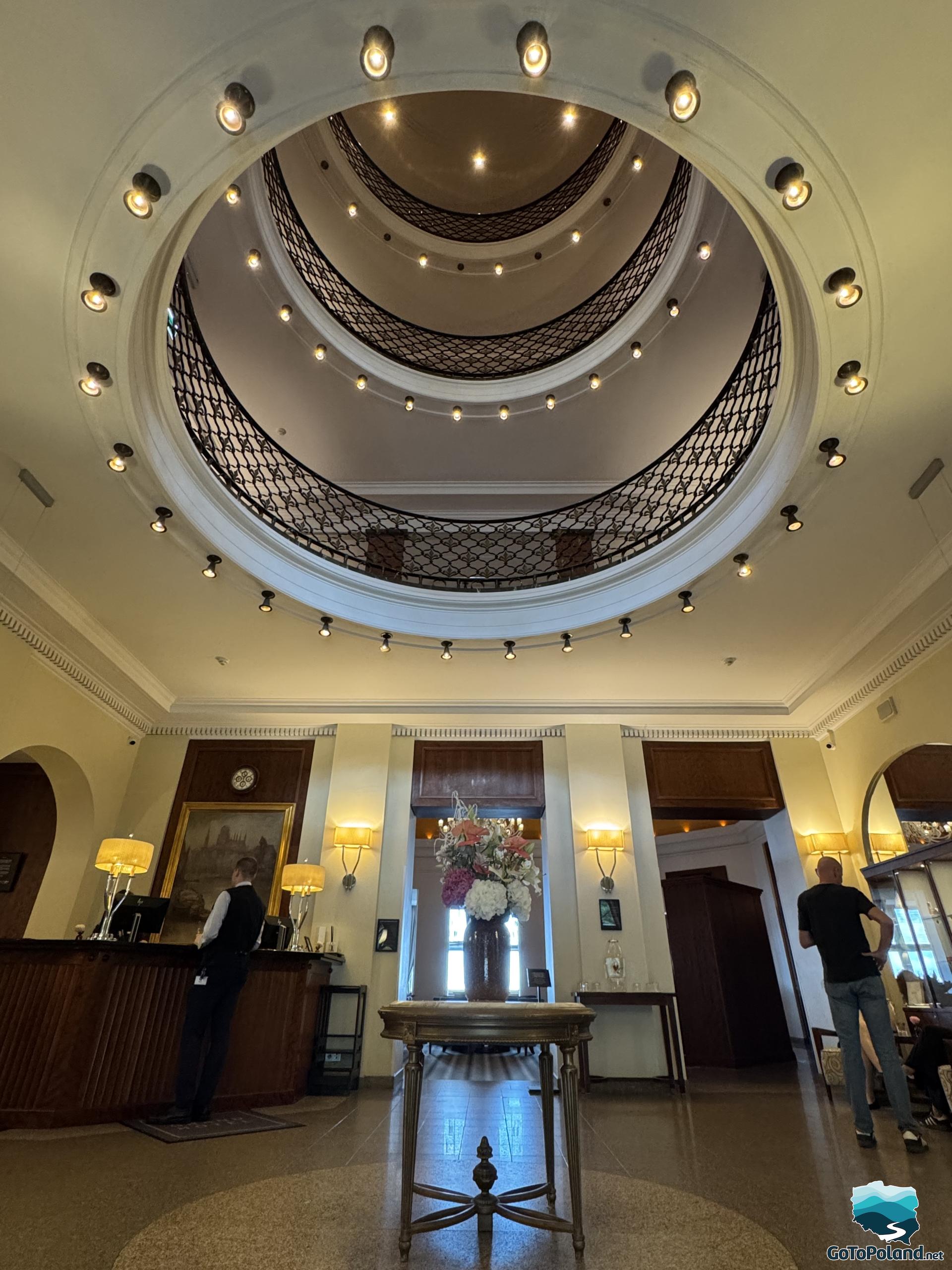
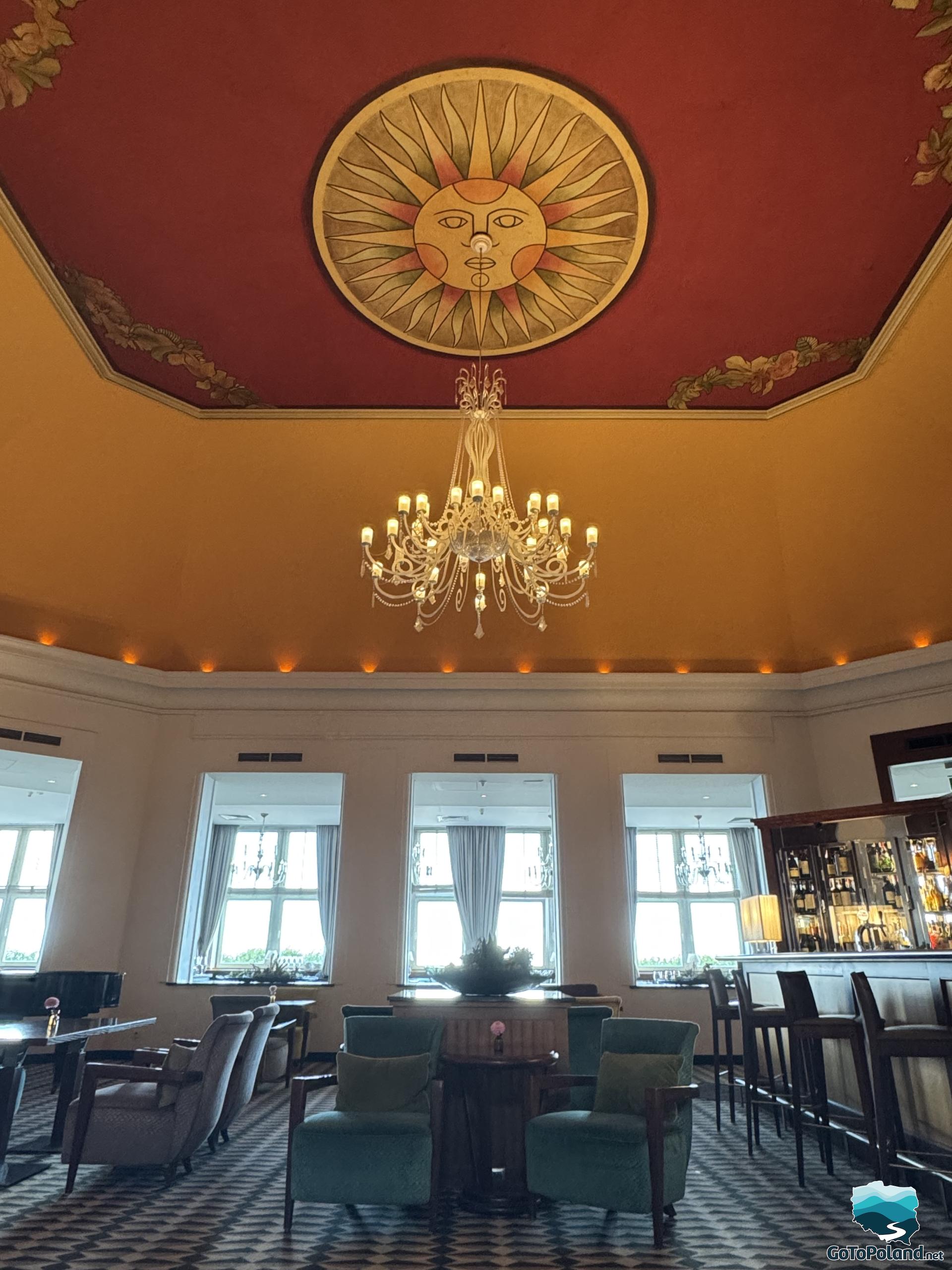
The hotel hosted many notable figures, including singers, actors, athletes, and people from the worlds of politics and the arts.
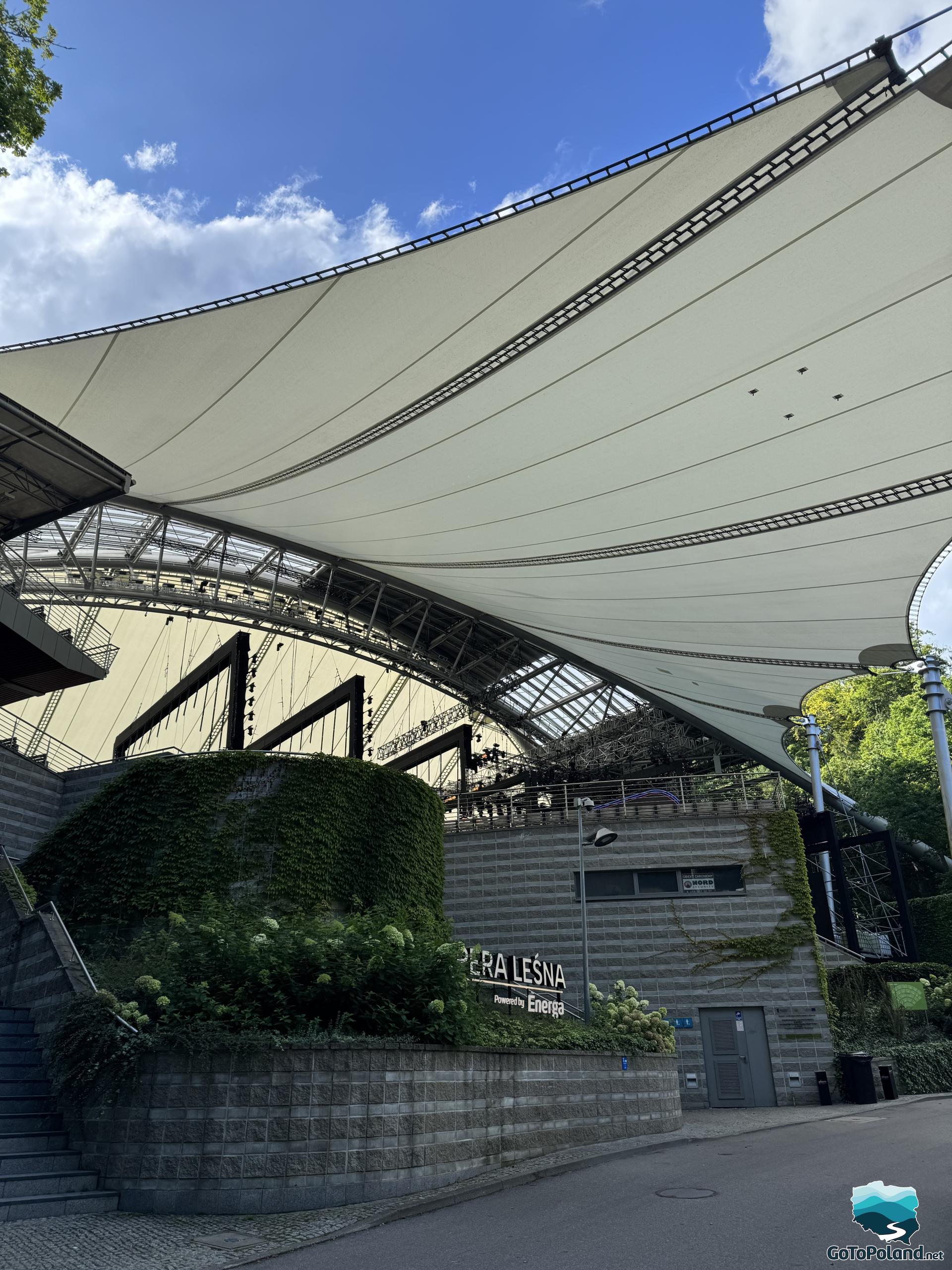
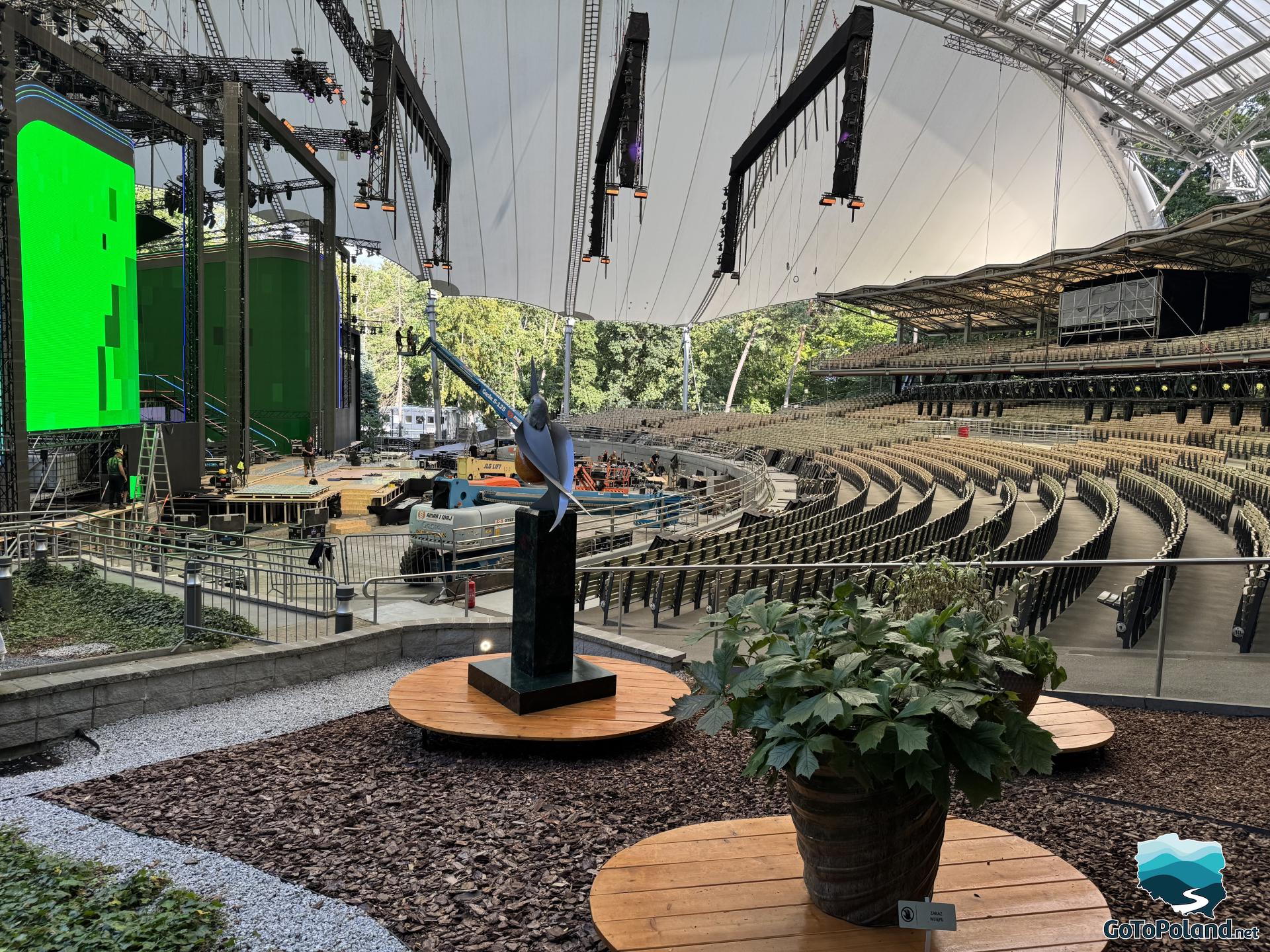
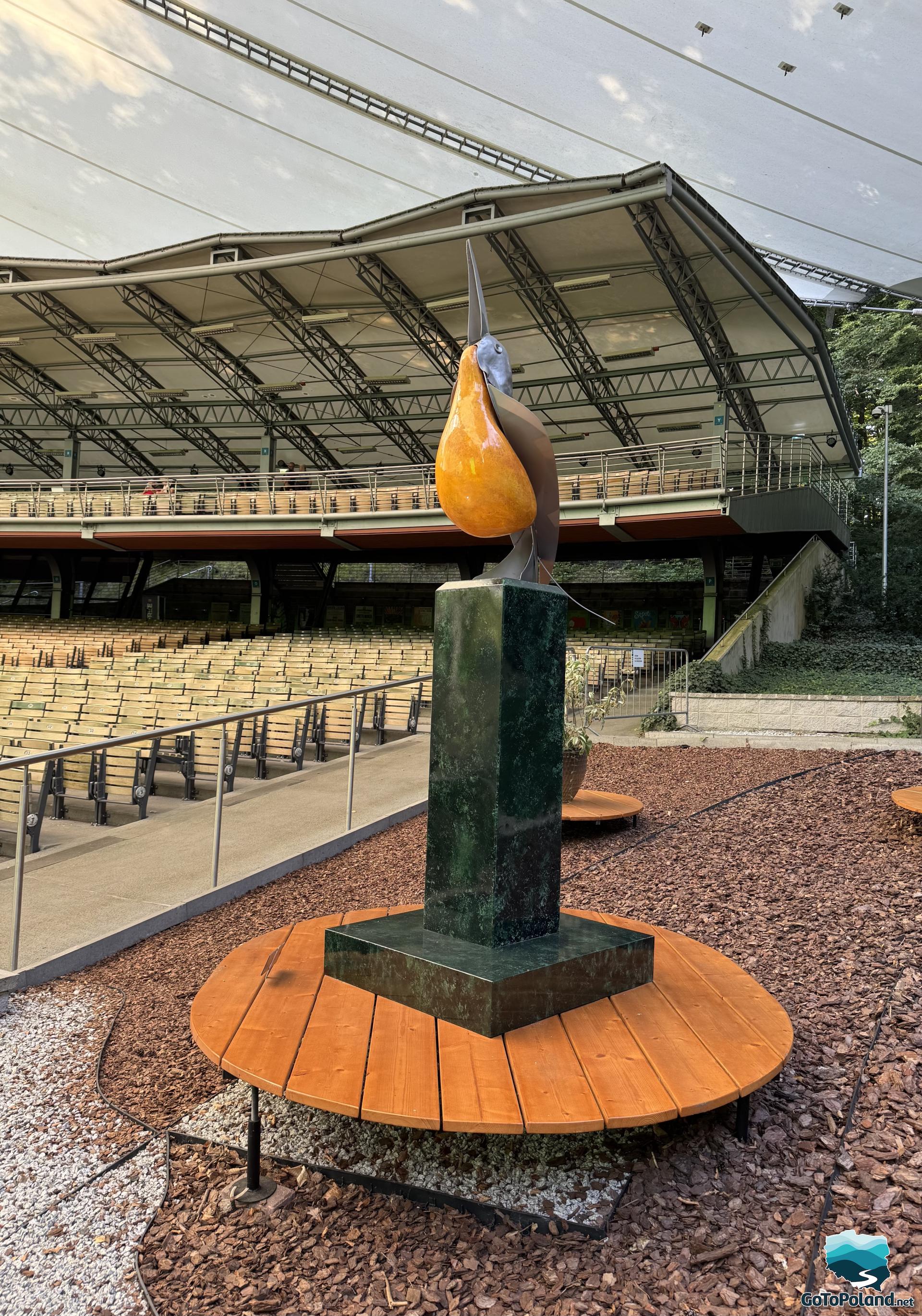
Sopot is an iconic location for Polish music. Every year, it hosts a famous festival that attracts stars from both Poland and abroad (which explains the presence of the celebrities at the Grand Hotel). Artists perform at the Forest Opera and compete for the Amber Nightingale statuette. The first festival took place in 1961. We were there three days before this year's festival (2026), just as the stage was being built.
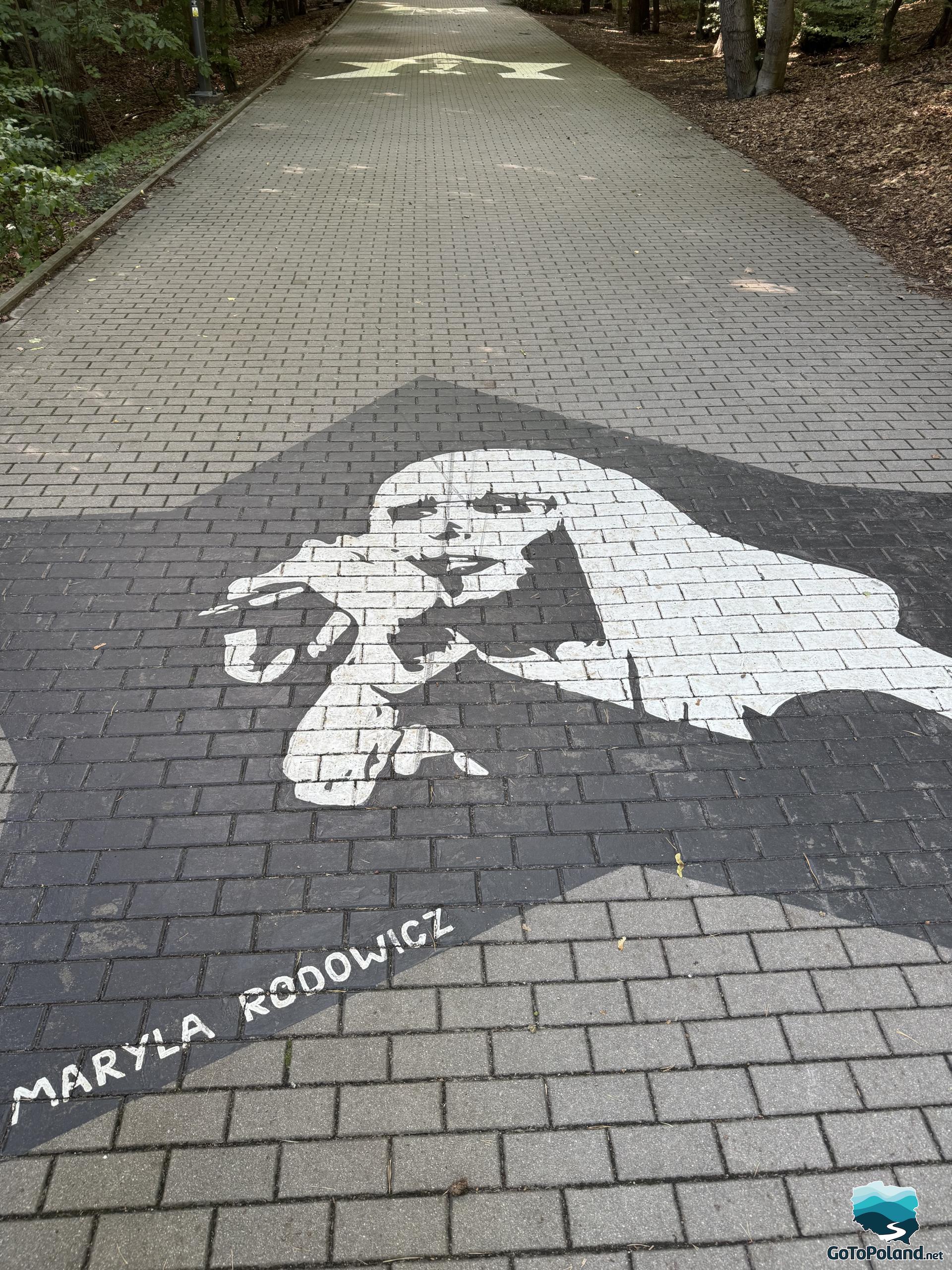
The Sopot Avenue of Stars is a pedestrian route leading to the Forest Opera, decorated with black-and-white star-shaped murals commemorating legends of the Polish stage.
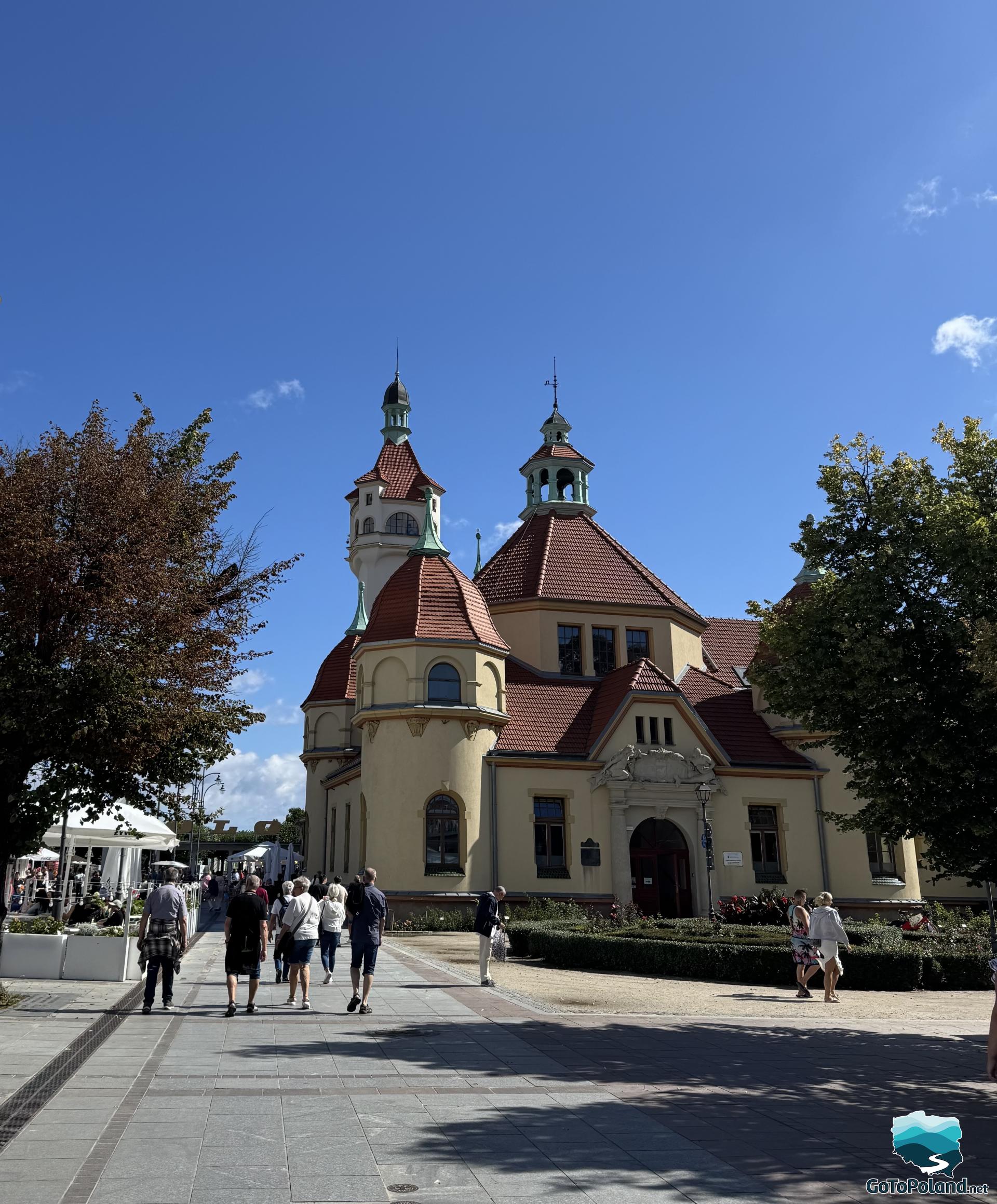
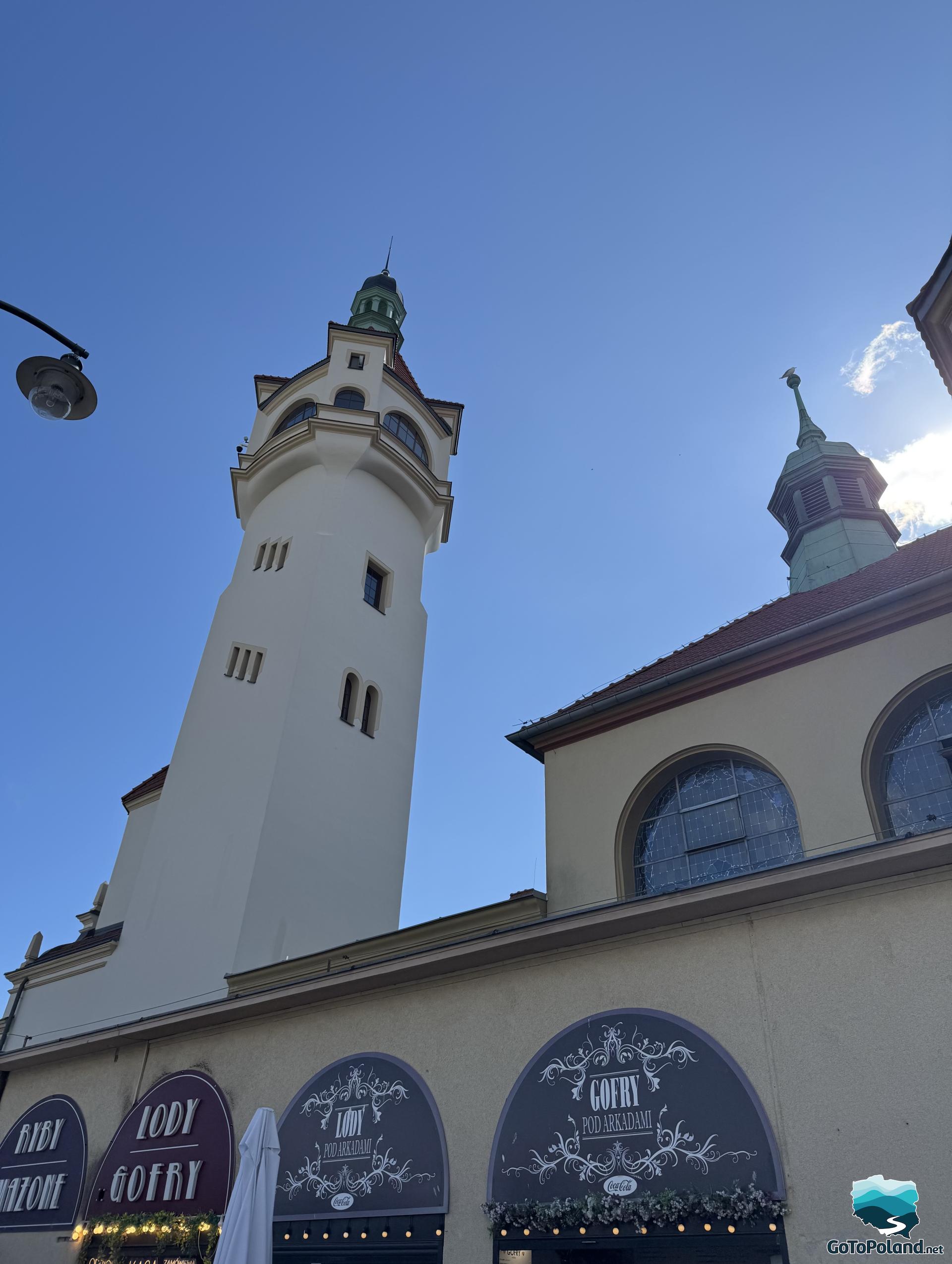
In 1903, a balneological facility was built in Sopot. After the world war II, the city took over the building and changed it into a bathhouse. In 1956, the building was transferred to the Rheumatology Hospital. When the hospital's boiler room was modernized in 1975, the previously smoking chimney became redundant. It was modified and fitted with a light source. Initially, the light was not classified as a lighthouse due to its limited range (5 nautical miles); it only achieved lighthouse status after the optical equipment was upgraded and the nominal luminous range exceeded 17 nautical miles. Currently, the light has a nominal range of 7 nautical miles and is no longer formally classified as one of Poland's lighthouses.
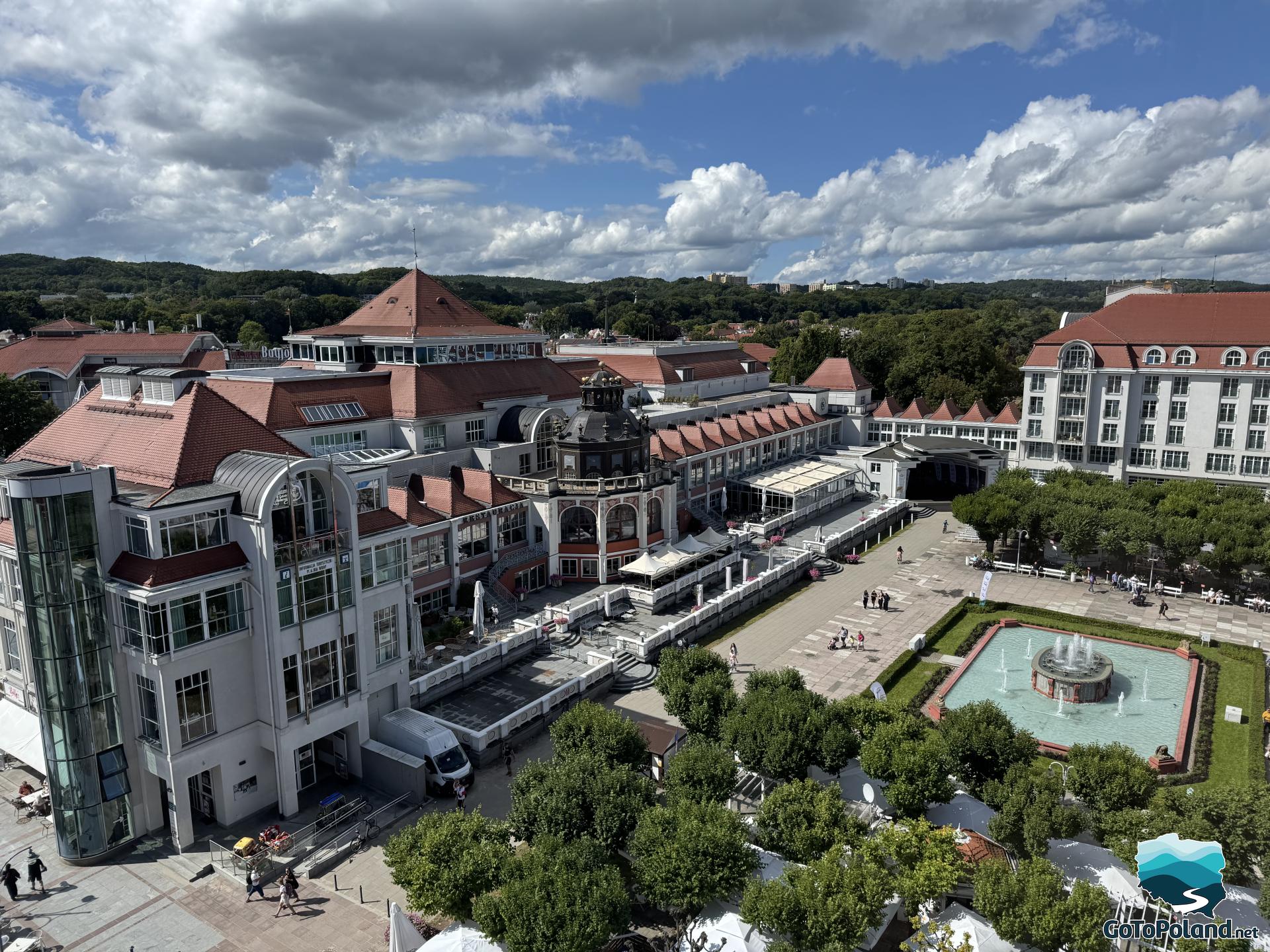
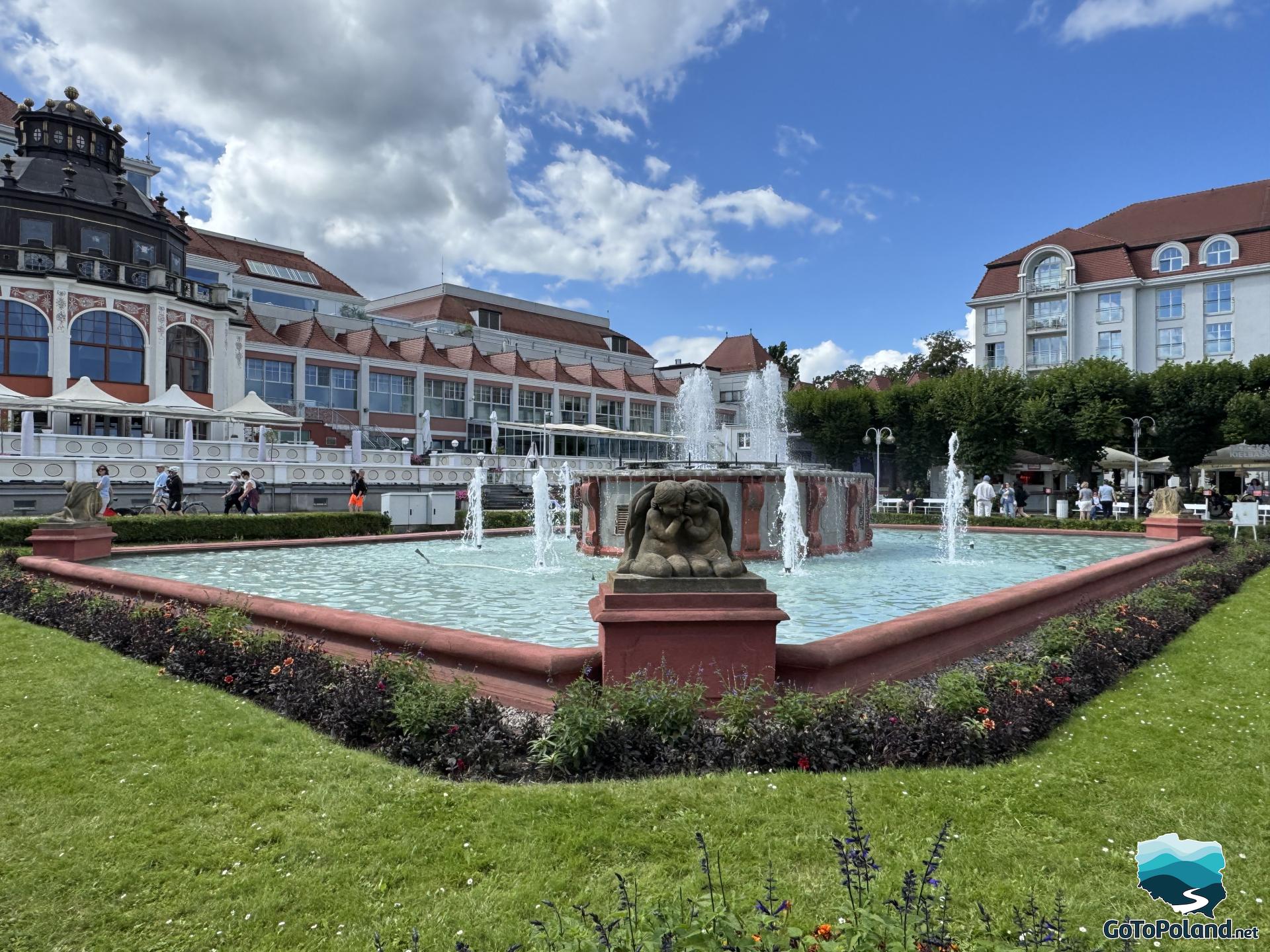
The Balneological Institute was established in 1903. The building is decorated with sculptures and stained-glass windows. Above the main portal, there are sculptures of a mermaid and a triton, as well as the city's coat of arms (one of the oldest in Sopot). At the Balneology Centre, you can enjoy, among other things, brine baths, cryotherapy, kinesitherapy, balneotherapy, hydrotherapy, inhalation treatments, and rehabilitation treatments for the musculoskeletal system.
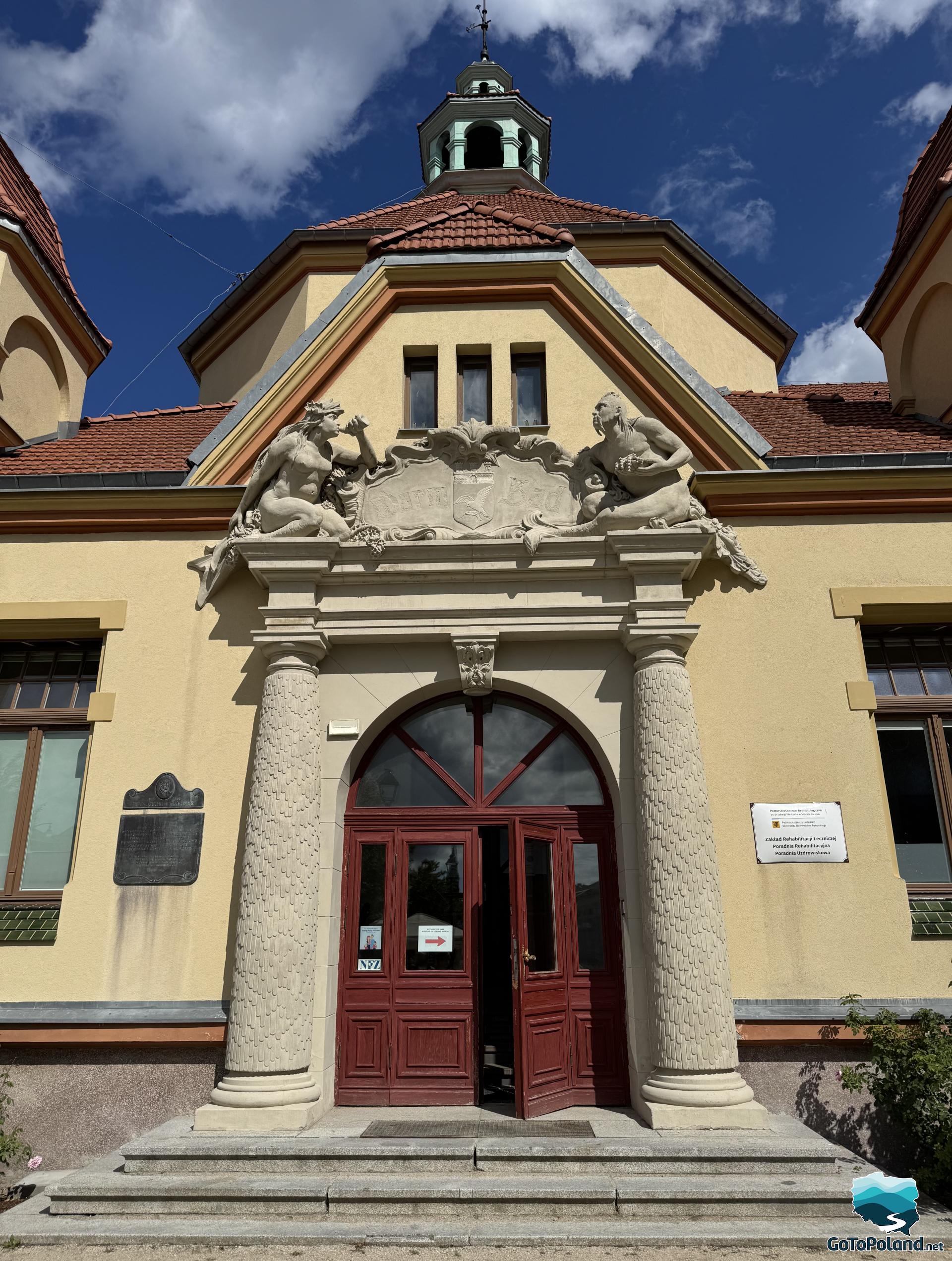
In 1823, the first professional bathing was opened by dr Jan Jerzy Haffner. Soon, other facilities related to the service of the bathing resort were built including: a bathing house, a healing house, a park and walking areas and the first wooden pier. Today, in the Southern Park, founded by Haffner himself, there are wonderful, ornate fountains from which the Sopot brine flows. It can be used especially for inhalation in chronic inflammatory. The brine can also be taken from the fountains and used to prepare moisturizing hand baths at home - which is exactly what I did.
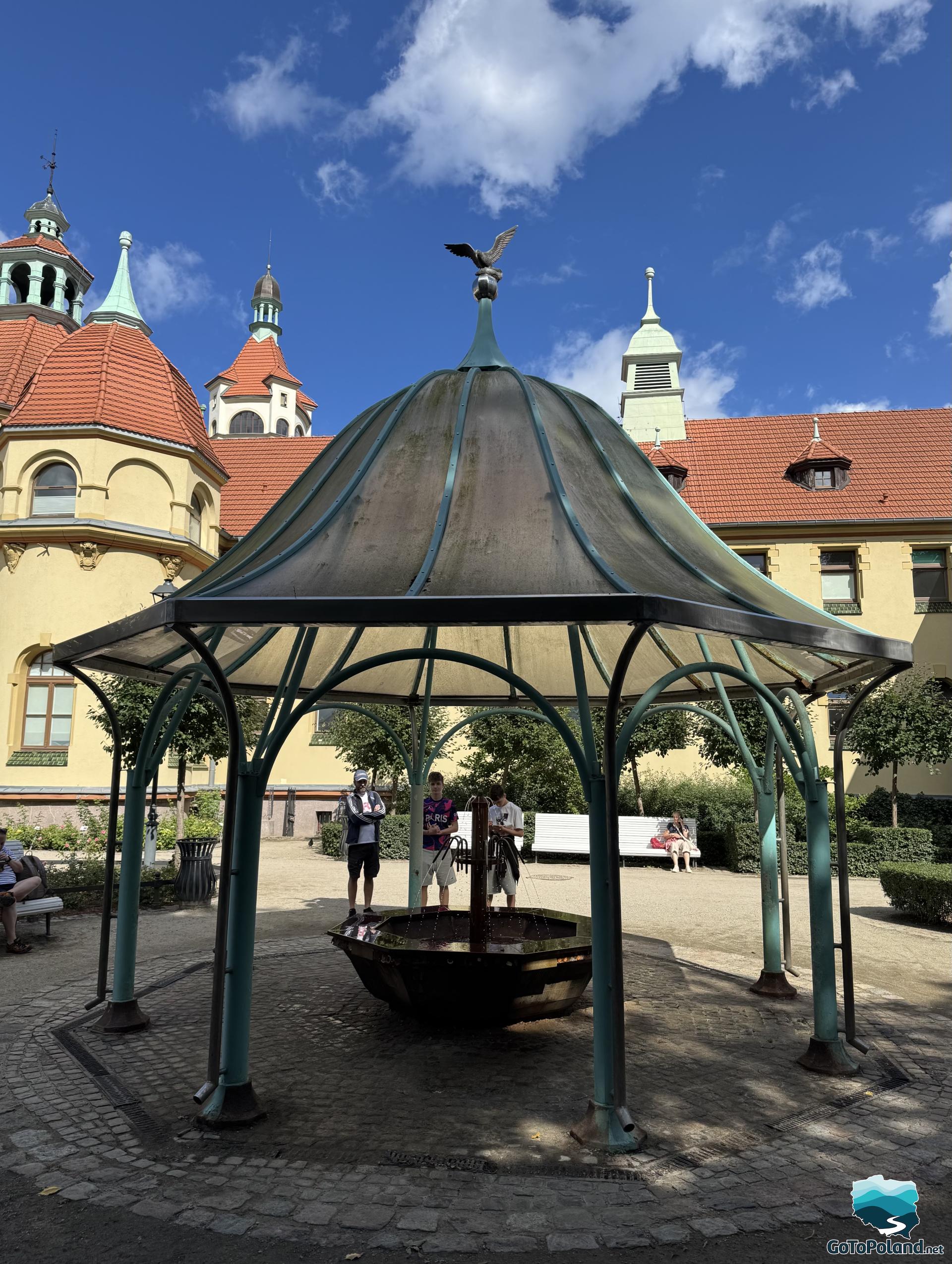
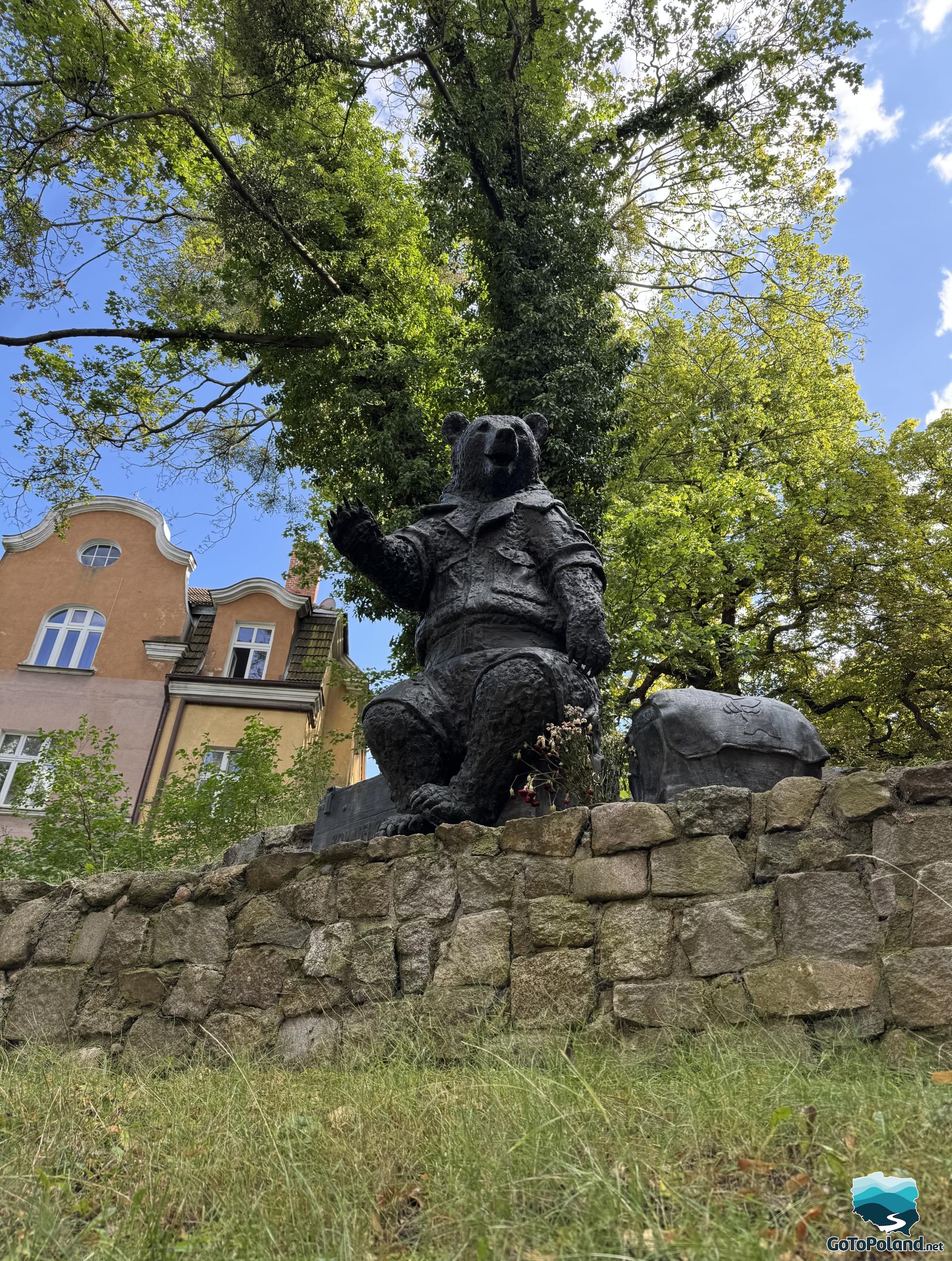
An extraordinary story about Wojtek the Bear :)))
Wojtek was a 3-month old brown bear cub when the soldiers of Anders’ Army adopted him in Iran during the World War II. Growing up among humans, Wojtek considered himself one of them and soon became a soldier - he even took part in the Battle of Monte Cassino. After the demobilisation, Wojtek found home in the Edinburgh Zoo, where he died in 1963.
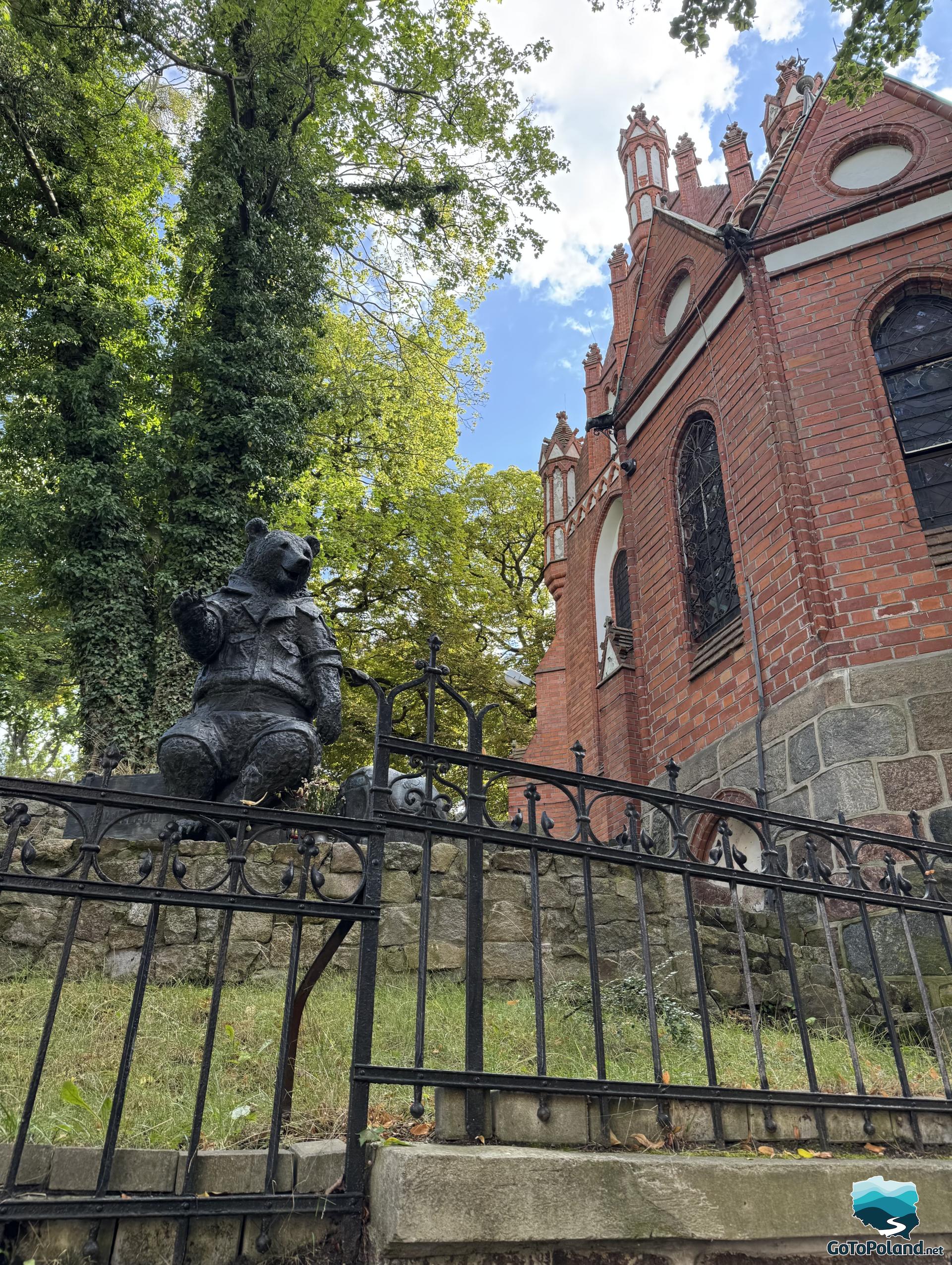
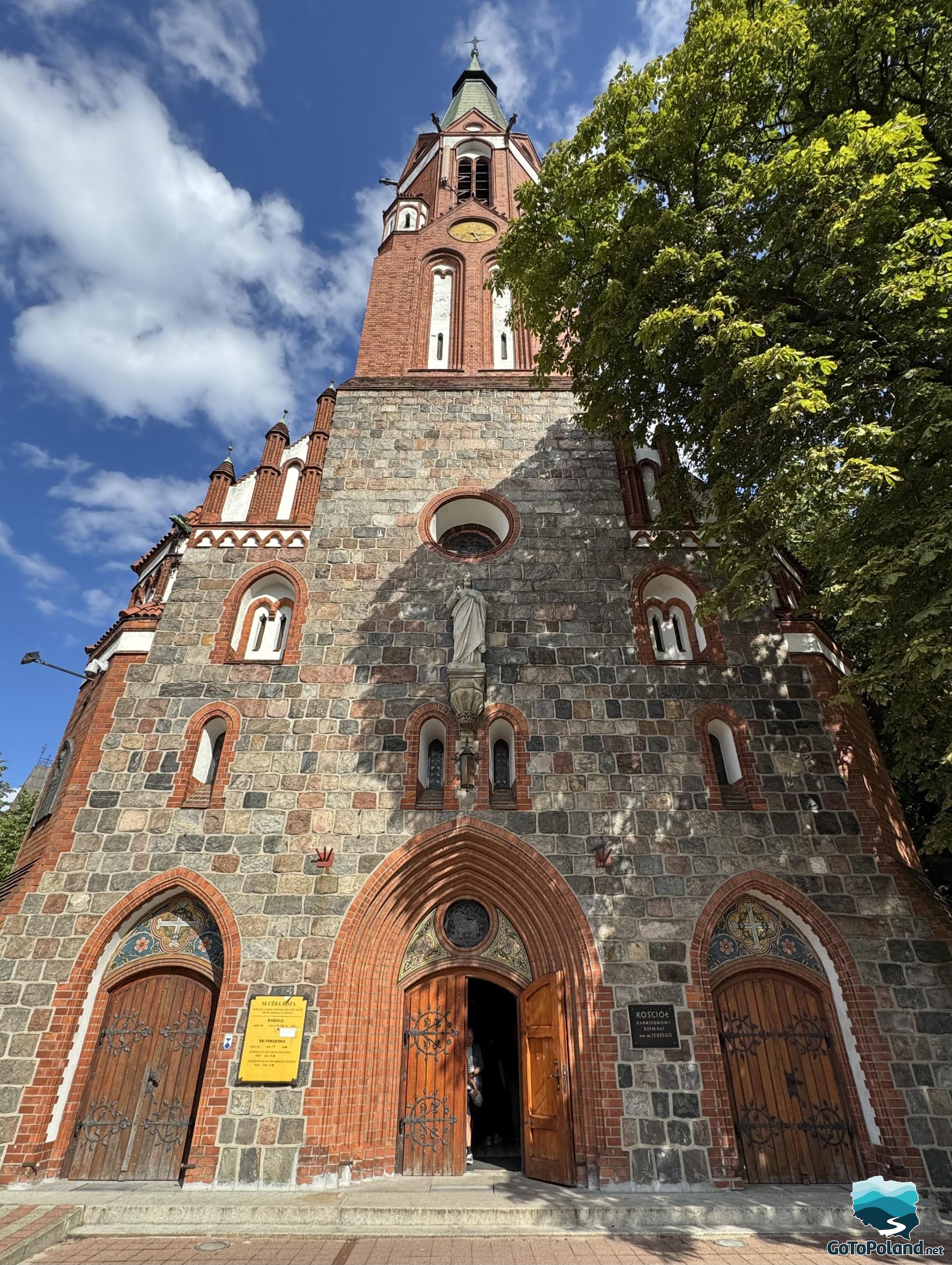
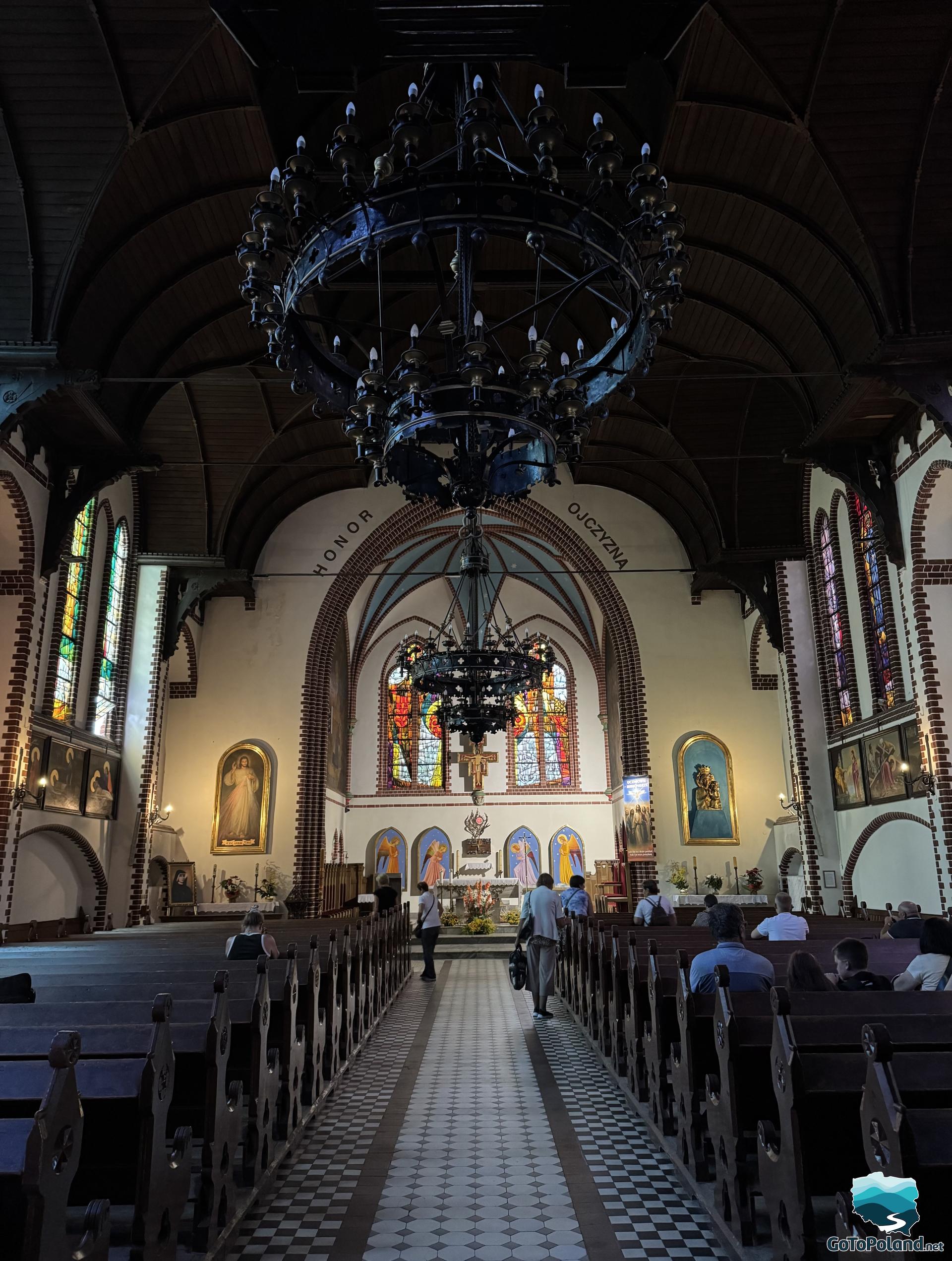
The St. George Garrison Church in Sopot is a Neo-Gothic building dates from 1901. Originally, the church was Protestant, and the funds for its construction were provided by Empress Augusta Victoria and Emperor Wilhelm II. Since 1945, the church has been Catholic.